




A wildfire fire truck is engineered specifically for environments where fires spread rapidly and access is limited. Unlike city fire engines that rely on hydrants and paved roads, this vehicle must function independently in forests, grasslands, and wildland–urban interface zones. Its core purpose is to deliver crews, water, and suppression tools directly to the fire line, often under extreme heat, smoke, and terrain pressure.
As wildfire seasons become longer and more intense, the role of the wildfire fire truck has expanded beyond emergency response. Today, these vehicles support prevention patrols, controlled burns, and infrastructure protection in high-risk regions.
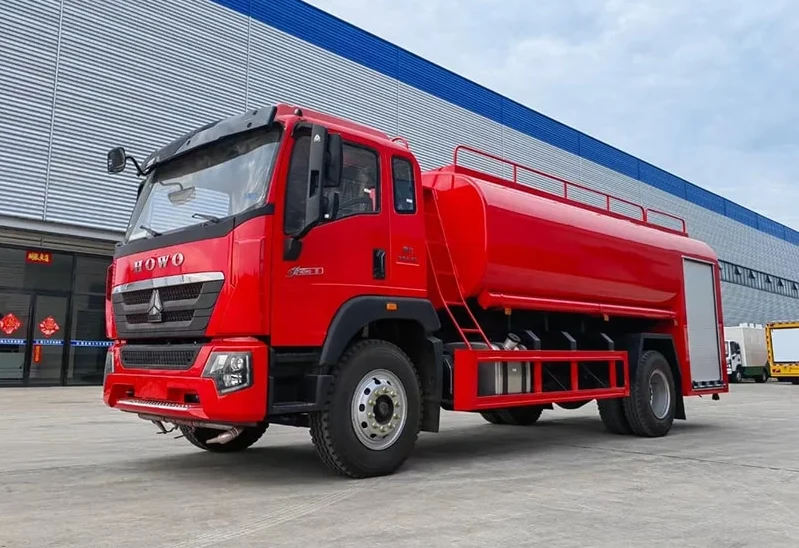
In wildfire scenarios, reaching the ignition point quickly often matters more than carrying the largest water tank. A wildfire fire truck is therefore designed with off-road mobility in mind. High ground clearance, short overhangs, and optimized weight distribution allow it to move along narrow tracks, soft soil, and steep gradients without losing stability.
A wildfire fire truck typically carries multiple discharge options, such as hose reels for close-range work, rear spray systems for defensive driving, and roof-mounted monitors for wider coverage. This flexibility allows crews to adapt tactics as wind conditions and fire behavior change.
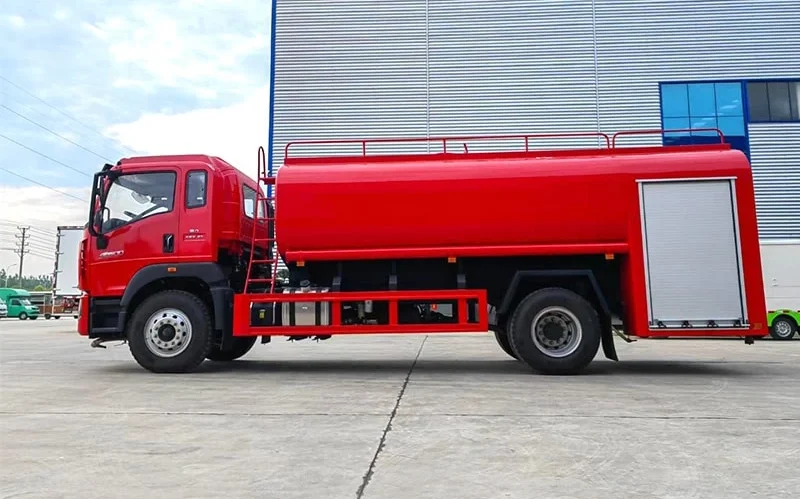
The wildfire fire truck is used at different stages of fire management, from prevention to active suppression and post-fire monitoring. Its adaptability makes it valuable across both emergency and planned operations.
Using a wildfire fire truck designed specifically for wildland conditions offers clear advantages over adapting structural fire engines. These advantages directly influence safety, efficiency, and long-term operational reliability.
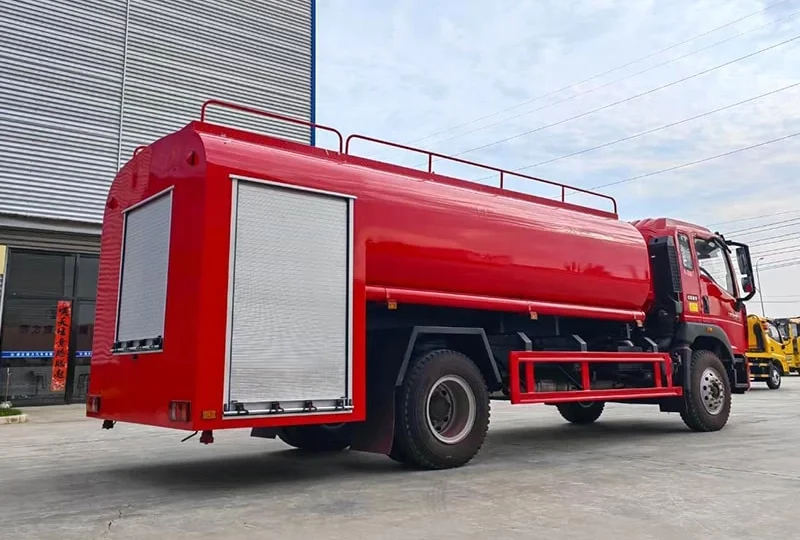
| Item | Common Specification Range |
|---|---|
| Water Tank Capacity | 1,500–6,000 liters |
| Pump System | High-pressure pump, 30–60 bar |
| Drive Configuration | 4×4 or 6×6 off-road drivetrain |
| Chassis Construction | Reinforced ladder-frame design |
| Crew Seating | 2–6 personnel |
Choosing the right wildfire fire truck depends on vegetation density, road access, and response strategy. Smaller units prioritize speed and access, while larger configurations support extended operations where water resupply is limited.
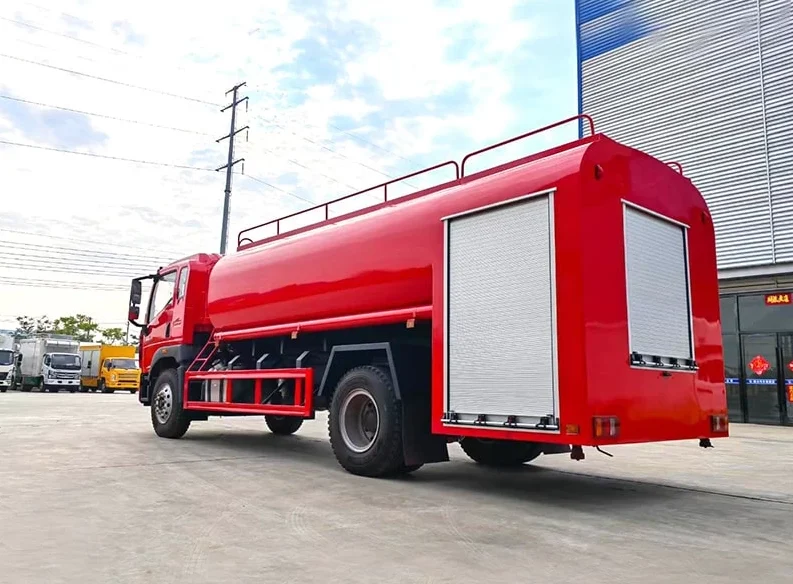
A wildfire fire truck is a critical asset for organizations tasked with protecting land, infrastructure, and communities from uncontrolled fires. Its mobility-focused design, adaptable suppression systems, and resilience in harsh conditions make it a cornerstone of modern wildland firefighting.
For agencies and operators planning to enhance their wildfire response capability, consulting experienced specialists can help determine which wildfire fire truck configuration best aligns with local risks and long-term operational goals.
