




A fire engine vehicle is one of the most recognizable and essential tools in emergency response systems worldwide. Designed to transport firefighters, water, and specialized equipment, it serves as the first line of defense against fires in urban, industrial, and mixed-use environments. Beyond fire suppression, a fire engine vehicle often supports rescue operations, hazard control, and emergency medical response.
As cities expand and infrastructure becomes more complex, the expectations placed on a fire engine vehicle continue to grow. Today’s designs focus not only on extinguishing fires but also on versatility, rapid deployment, and crew safety.
Time is a critical factor in any fire incident. A fire engine vehicle is engineered to leave the station quickly, navigate traffic efficiently, and arrive fully equipped to begin operations immediately. Its layout ensures that hoses, pumps, and tools are accessible within seconds of arrival, reducing delays during the most critical moments.
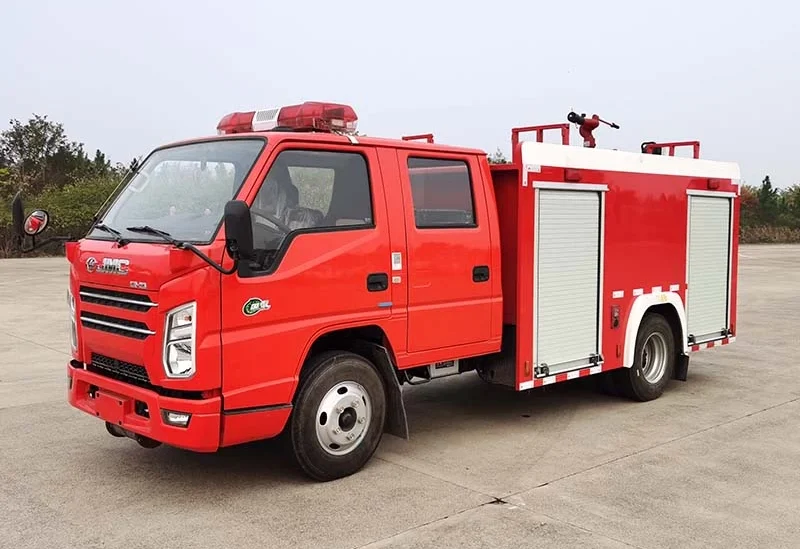
The interior and exterior layout of a fire engine vehicle prioritizes firefighter efficiency. Ergonomic seating, secure equipment mounts, and intuitive control panels help crews operate effectively under pressure while maintaining safety standards.
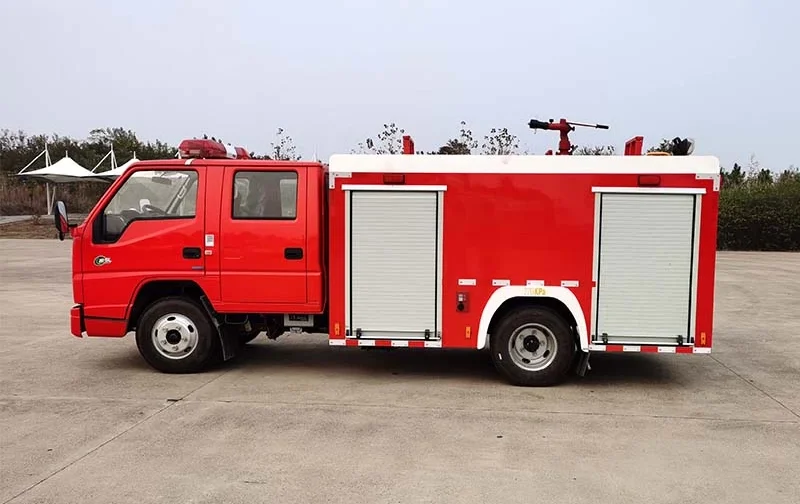
While structural fires remain a primary responsibility, a fire engine vehicle supports a wide range of emergency scenarios. Its adaptability allows it to respond to incidents beyond traditional firefighting.
In densely populated areas, the maneuverability and size of a fire engine vehicle are carefully balanced to ensure access to narrow streets while maintaining sufficient onboard resources.
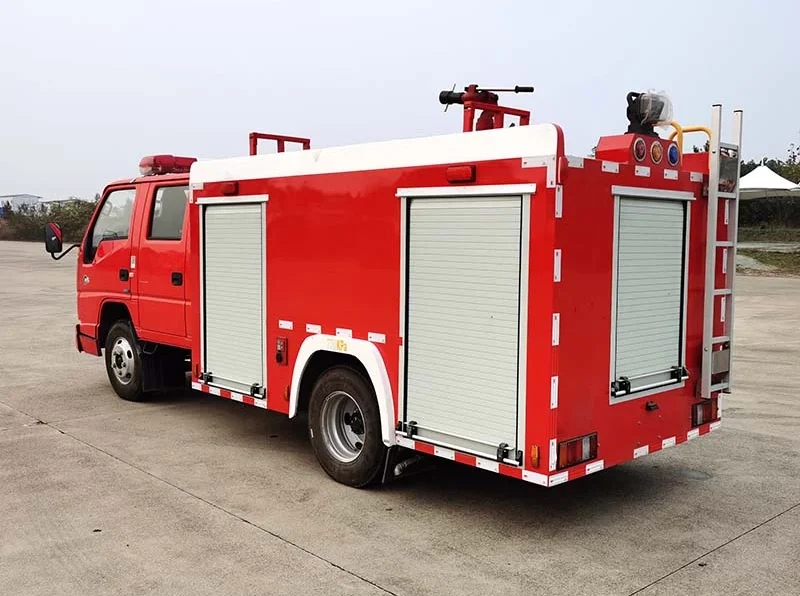
Compared with multipurpose emergency trucks, a fire engine vehicle offers advantages that directly impact fireground performance and crew effectiveness.
These strengths make the fire engine vehicle a central component of coordinated emergency response strategies.
| Technical Item | Typical Specification Range |
|---|---|
| Water Tank Capacity | 2,000–6,000 liters |
| Pump Output | 1,500–3,000 L/min |
| Crew Capacity | 4–8 personnel |
| Drive Configuration | 4×2, 4×4, or 6×4 |
| Primary Use Environment | Urban and suburban areas |
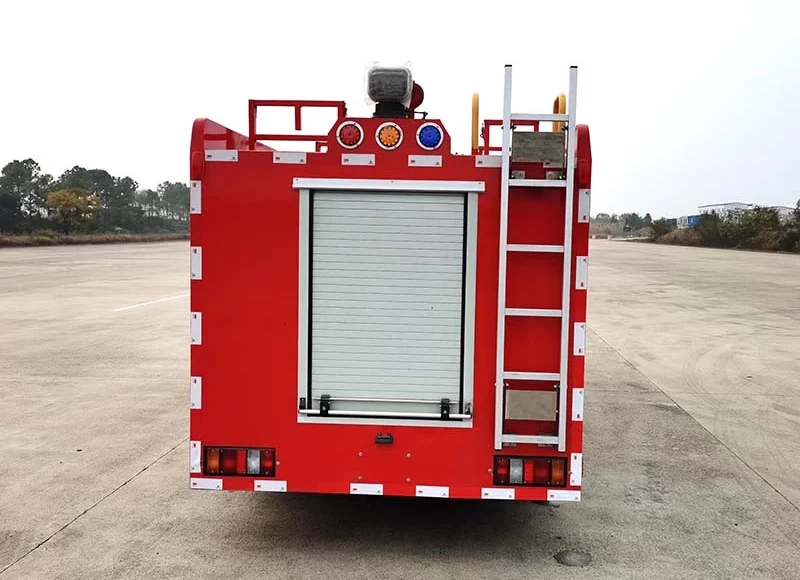
Selecting the right fire engine vehicle depends on response area size, building density, and typical incident types. Departments often balance water capacity, vehicle size, and maneuverability to suit their specific operating environment.
A fire engine vehicle remains a cornerstone of public safety infrastructure. Its ability to respond rapidly, carry essential resources, and support firefighters in complex situations makes it indispensable for modern emergency services.
For organizations evaluating or upgrading their emergency fleets, professional consultation can help ensure the selected fire engine vehicle aligns with operational demands, regulatory requirements, and long-term preparedness goals.
