




A remote firefighting vehicle represents a major shift in how emergency response teams approach high-risk fire scenarios. Instead of placing firefighters directly in hazardous environments, this type of vehicle allows critical fire suppression tasks to be carried out from a safe distance. As industrial facilities, energy infrastructure, and urban developments grow more complex, the demand for remote-operated firefighting solutions continues to rise.
Designed to operate in extreme heat, dense smoke, and unstable terrain, a remote firefighting vehicle provides controlled, reliable intervention where human access is limited or unsafe.
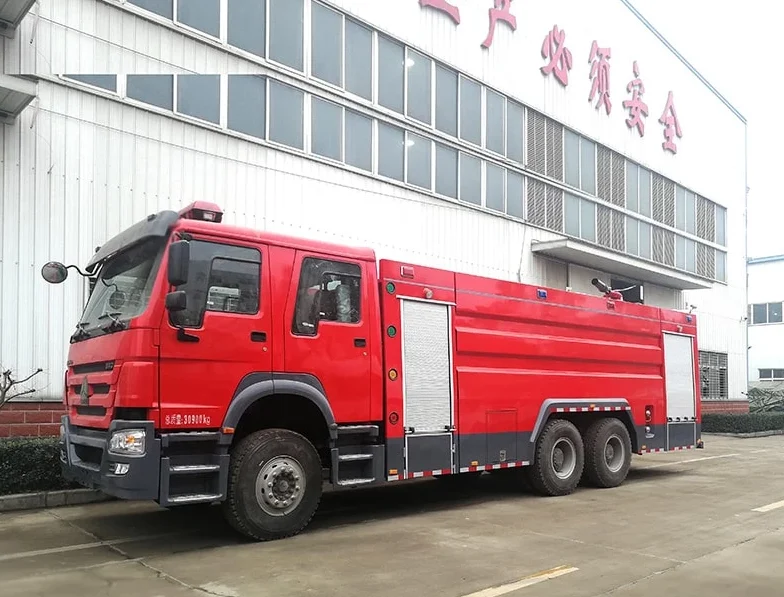
Unlike conventional fire engines, a remote firefighting vehicle is operated via wireless or wired control systems. Operators can manage movement, water flow, foam discharge, and nozzle direction from a protected command position. This separation between personnel and danger significantly reduces exposure to collapse zones, explosions, or toxic emissions.
A remote firefighting vehicle is often equipped with tracked or heavy-duty wheeled mobility systems. This allows stable movement across debris, uneven surfaces, or slippery industrial floors. The ability to advance steadily toward the fire source improves suppression effectiveness while maintaining controlled positioning.
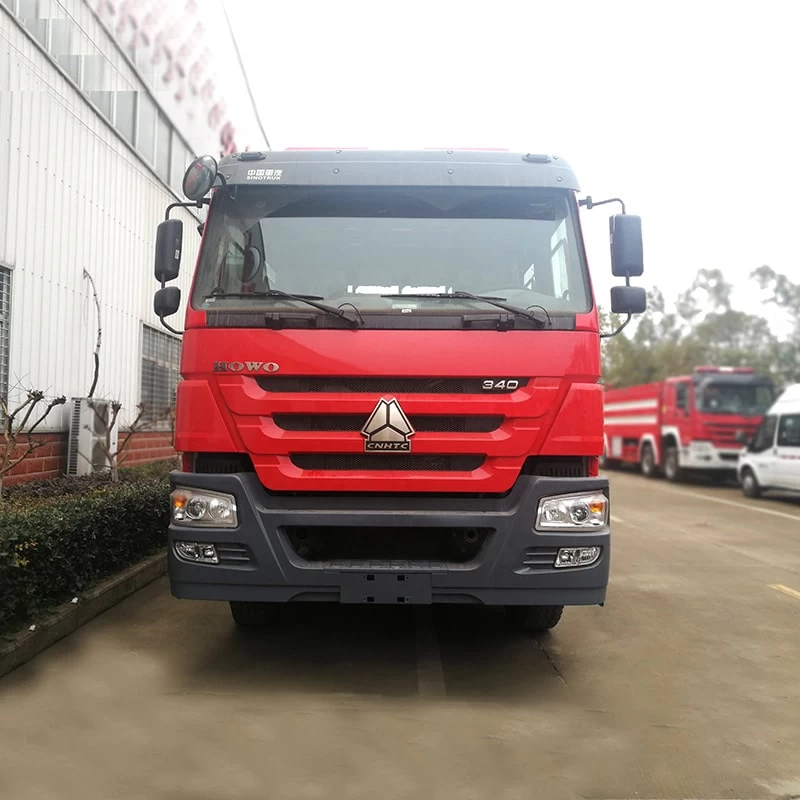
The flexibility of a remote firefighting vehicle makes it suitable for a wide range of emergency and preventive operations. These vehicles are commonly deployed where conventional fire engines face access or safety limitations.
In many of these environments, rapid fire escalation and structural instability pose severe risks. A remote firefighting vehicle allows suppression to begin immediately without waiting for conditions to become safe for personnel entry.
One of the key advantages of a remote firefighting vehicle is its ability to maintain firefighting effectiveness while minimizing human exposure. By removing firefighters from the immediate danger zone, decision-making becomes more deliberate and less reactive.
In scenarios involving chemical reactions or potential secondary explosions, a remote firefighting vehicle provides a critical layer of operational resilience.
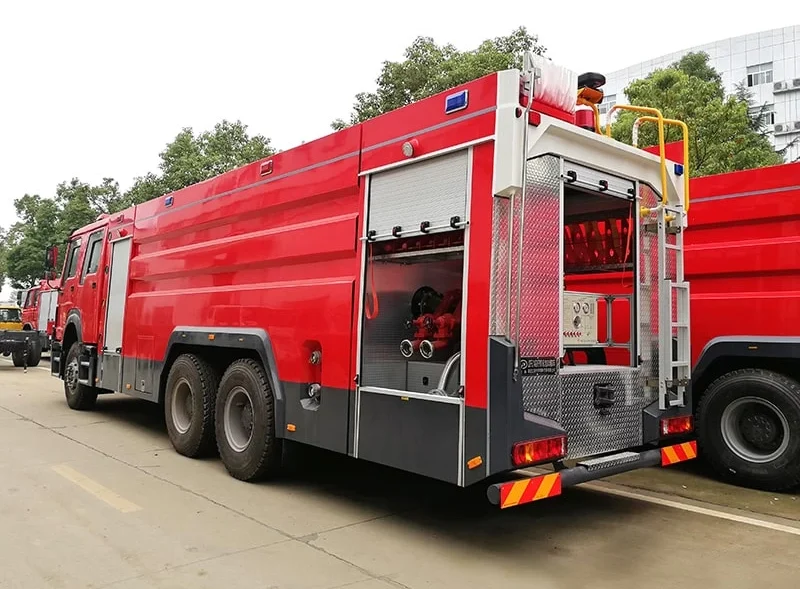
| Parameter | Typical Specification |
|---|---|
| Control Method | Wireless remote or cable control |
| Fire Suppression Media | Water, foam, or combined systems |
| Discharge Range | Up to 60–90 meters |
| Mobility System | Tracked or heavy-duty wheels |
| Operating Environment | High heat, smoke, and hazardous zones |
When selecting a remote firefighting vehicle, it is essential to align technical parameters with expected use cases. Discharge range determines how close the vehicle must approach the fire, while mobility type affects performance on debris or soft ground. Understanding these elements ensures reliable deployment during critical incidents.
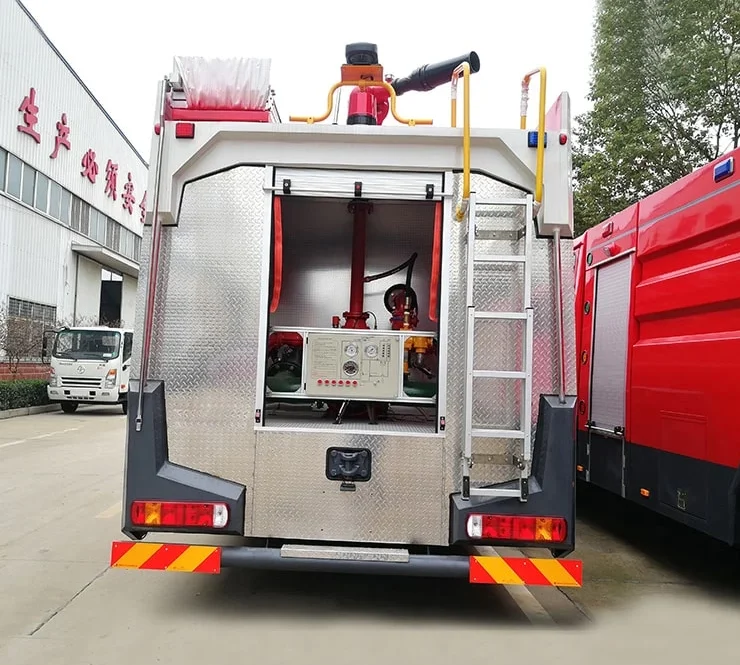
Introducing a remote firefighting vehicle into an emergency response fleet requires thoughtful integration. Operators must be trained in remote navigation, situational awareness, and coordinated teamwork with conventional fire units. Clear protocols help maximize the vehicle’s strengths while maintaining overall command structure.
Many organizations deploy remote firefighting vehicles as complementary assets rather than replacements, using them to lead suppression efforts until conditions allow safe human entry.
A remote firefighting vehicle reflects a modern approach to fire suppression — one that prioritizes safety without sacrificing effectiveness. By combining robust engineering, remote control technology, and powerful suppression systems, these vehicles enable response teams to tackle fires that were once considered too dangerous to approach.
For facilities and emergency services facing increasingly complex fire risks, adopting a remote firefighting vehicle can be a decisive step toward safer, more controlled, and more efficient fire response operations.
