




Forest fire fighting vehicles are purpose-built machines designed to operate in rugged, remote, and high-risk environments where wildfires spread rapidly. Unlike urban fire engines, these vehicles must navigate uneven terrain, narrow forest paths, and limited infrastructure while delivering fast and effective fire suppression. Their primary mission is to control fires at the earliest stage, protect natural resources, and support ground crews working in extreme conditions.
As climate patterns change and wildfire incidents increase worldwide, forest fire fighting vehicles have become essential assets for emergency response agencies, forestry departments, and industrial operators managing large land areas. Their mobility and self-sufficiency allow them to reach critical zones that conventional equipment cannot access.
The defining characteristic of forest fire fighting vehicles is their ability to perform reliably off-road. High ground clearance, reinforced suspension systems, and optimized weight distribution ensure stable operation on slopes, soft soil, and debris-covered trails.
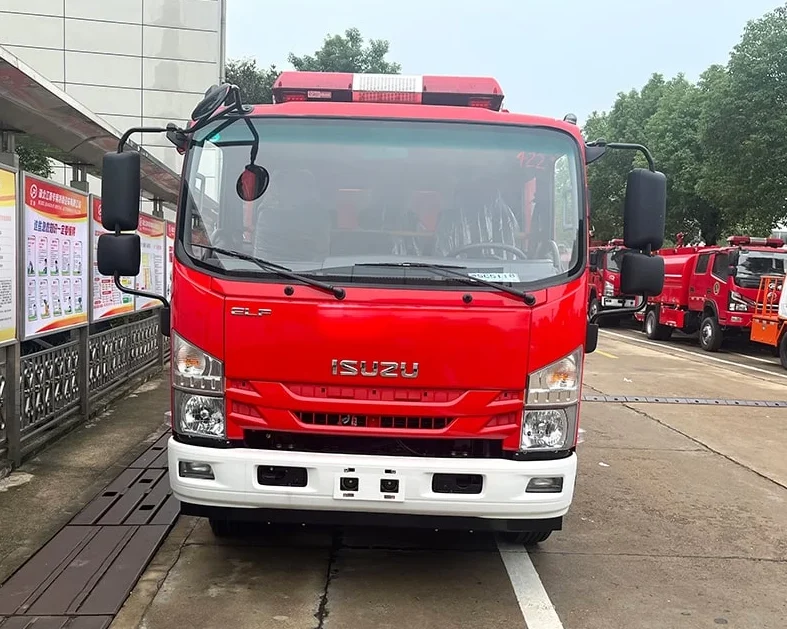
Forest fire fighting vehicles are often equipped with hose reels, roof-mounted monitors, and quick-connect outlets. These features allow crews to adapt their response strategy based on fire intensity, wind direction, and vegetation type, improving overall containment effectiveness.
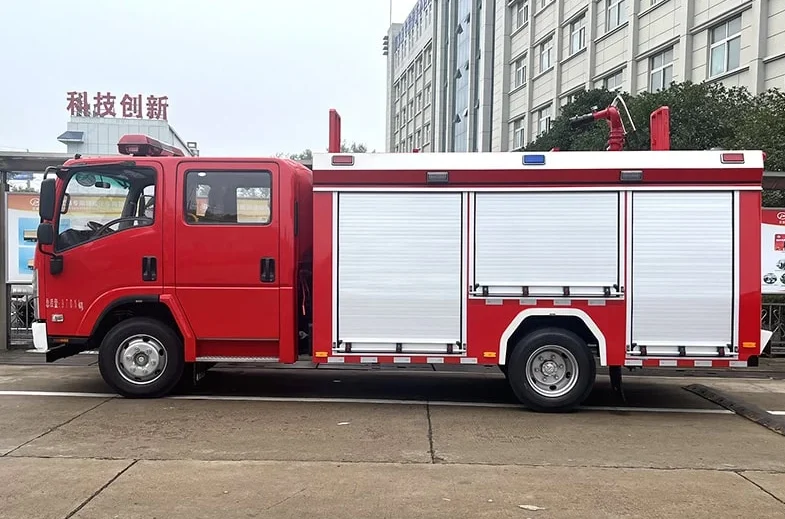
The versatility of forest fire fighting vehicles allows them to serve in multiple operational roles beyond initial fire attack. Their design supports both independent action and coordinated deployment alongside aerial and ground resources.
Rapid response is critical in wildfire management. Forest fire fighting vehicles enable teams to reach ignition points quickly, reducing the likelihood of small fires developing into large-scale disasters.
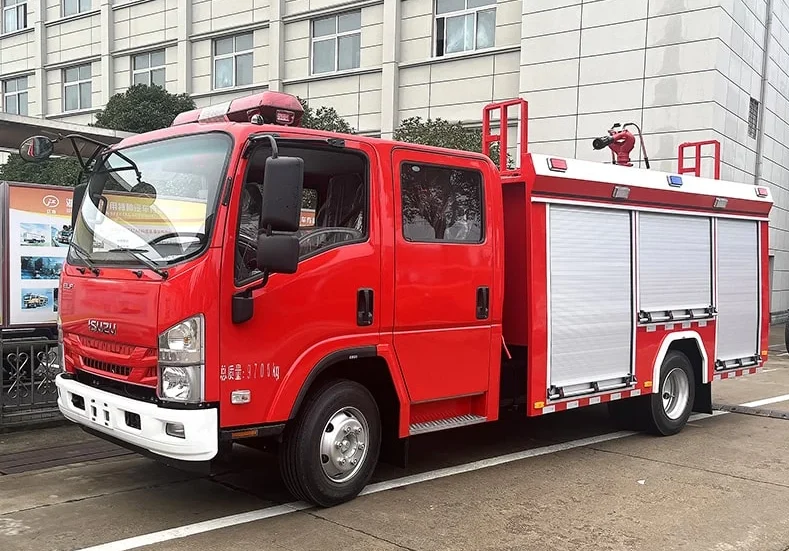
Compared with conventional firefighting equipment, forest fire fighting vehicles provide targeted advantages specifically suited to outdoor and remote scenarios.
These strengths make forest fire fighting vehicles an integral component of modern wildfire response strategies.
| Specification | Typical Range |
|---|---|
| Water Tank Capacity | 1,000–5,000 liters |
| Pump Pressure | 30–40 bar |
| Drive Configuration | 4×4 or 6×6 all-terrain |
| Operating Environment | Forest, grassland, mountainous terrain |
| Crew Capacity | 2–6 personnel |
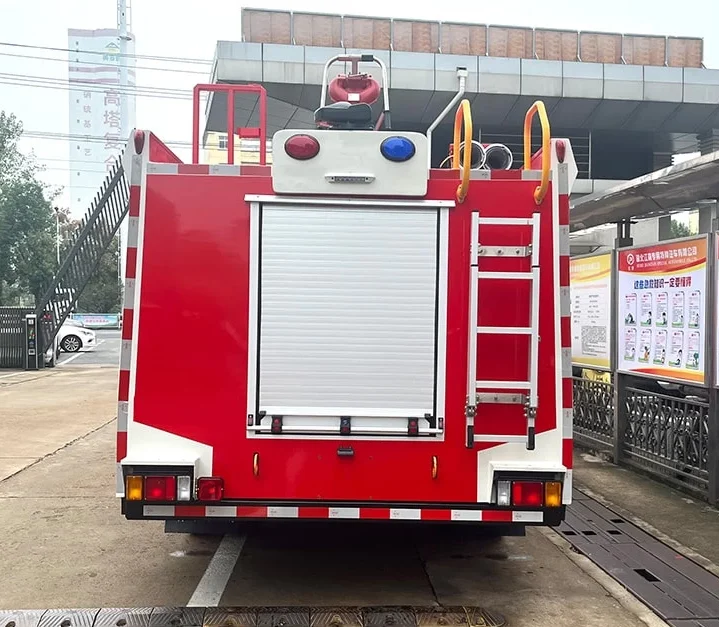
Selecting appropriate specifications involves balancing water capacity with vehicle maneuverability. Lighter configurations improve access speed, while larger tanks support extended suppression efforts in areas with limited water sources.
Forest fire fighting vehicles play a vital role in protecting ecosystems, infrastructure, and human life from the growing threat of wildfires. Their specialized design, off-road capability, and adaptable firefighting systems make them indispensable in remote and challenging environments.
For organizations responsible for land management or emergency response, investing in the right forest fire fighting vehicles can significantly enhance preparedness and response effectiveness. Professional consultation can help identify configurations best suited to specific terrain, climate, and operational goals.
