




A fire truck wildland is a specialized emergency vehicle engineered to operate where traditional structural fire engines struggle — in forests, grasslands, hillsides, and other areas with rough, unpaved access. These unique trucks combine rugged mobility, off-road capability, and purposeful firefighting systems that allow crews to reach emerging wildfires quickly and begin suppression before flames escalate. Designed to support both initial attack and sustained operations, a fire truck wildland fills a critical role in modern wildfire management strategies.
As climate patterns shift and fire seasons lengthen in many regions around the world, having purpose-built equipment like a fire truck wildland can significantly enhance community protection, resource conservation, and responder safety.
A defining characteristic of a fire truck wildland is its ability to travel where pavement ends. Heavy-duty suspension, all-terrain drivetrains, and reinforced chassis designs help these vehicles negotiate steep grades, soft ground, narrow forest paths, and rocky surfaces. Unlike urban fire engines that depend on hydrants and paved streets, a fire truck wildland often carries its own water supply and firefighting tools to support crews far from fixed infrastructure.
This combination of mobility and capability makes these trucks indispensable for early intervention, especially in regions with rugged landscapes or limited road networks.
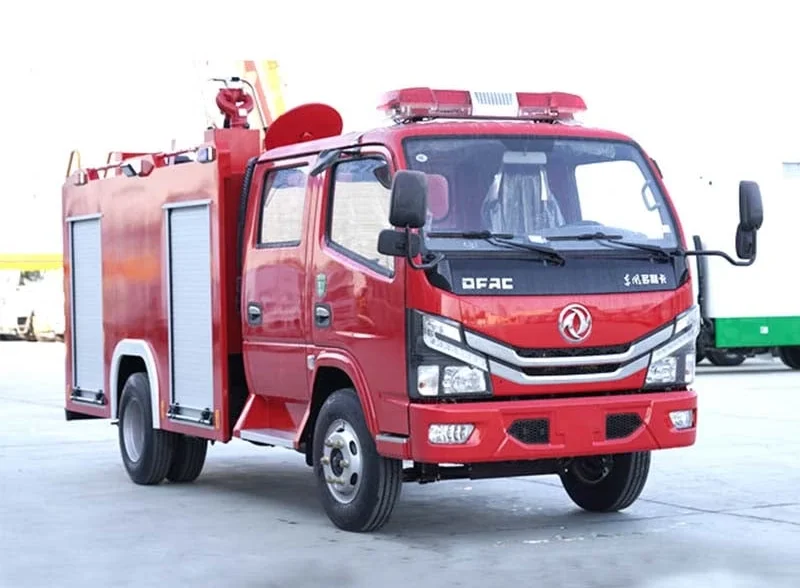
A fire truck wildland’s interior emphasizes both safety and practicality. Ergonomically designed seating, clear sightlines, and strategically positioned control panels help firefighters stay alert and effective. External hose reels, rear discharge outlets, and roof-mounted monitors allow flexibility in suppression tactics, enabling crews to adapt to evolving fire conditions without unnecessary repositioning.
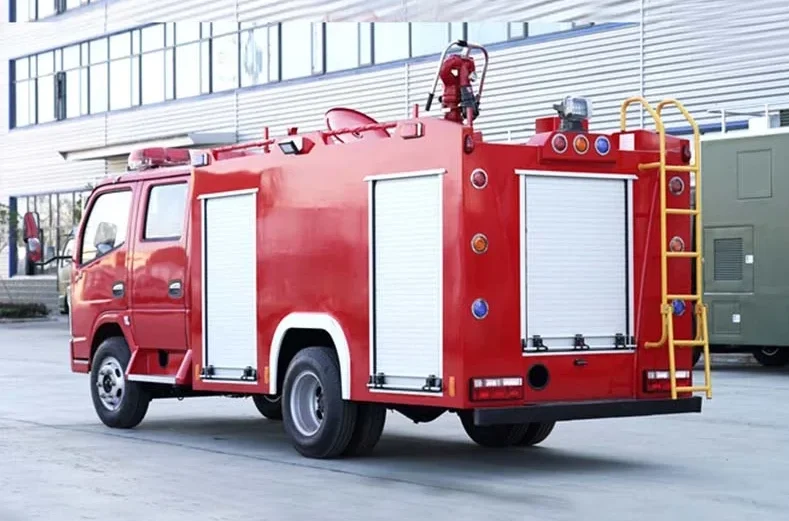
Such vehicles are deployed in a variety of wildland fire settings, supporting both planned operations and sudden emergencies. Their versatility ensures responsiveness across changing fire behavior, terrain challenges, and environmental conditions.
Because they can deliver water at the point of need, fire truck wildland units are often the first assets deployed to contain isolated fires before they spread across larger areas.
There are clear benefits to using a vehicle such as a fire truck wildland that is designed specifically for the complexities of outdoor fire environments. These advantages contribute directly to effectiveness in the field and safety for both crews and the communities they protect.
These strengths make a fire truck wildland an invaluable part of coordinated wildfire response efforts, especially during peak fire weather conditions.
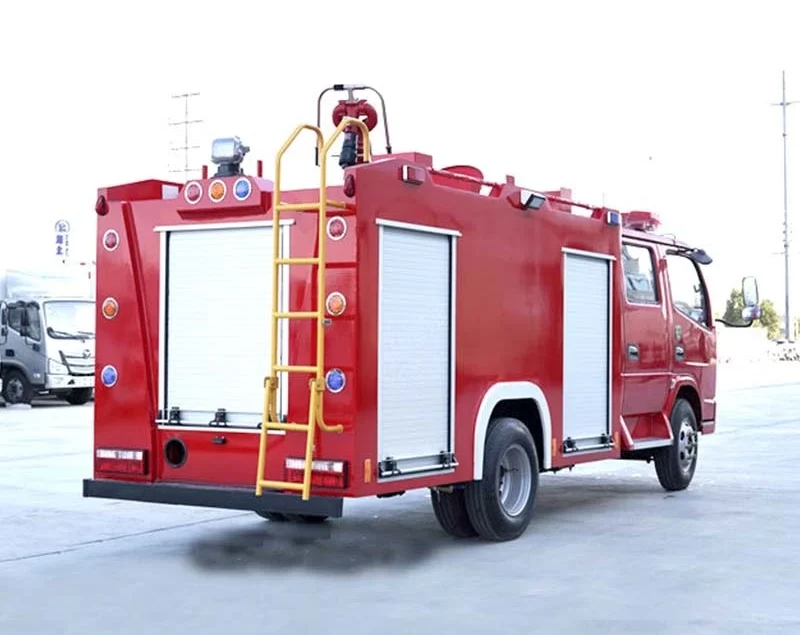
| Specification | Typical Range |
|---|---|
| Water Tank Capacity | 1,000–6,000 liters |
| Pump Output | 30–60 bar high-pressure system |
| Drivetrain | 4×4 or 6×6 all-terrain |
| Chassis Construction | Reinforced ladder frame |
| Crew Capacity | 2–6 personnel |
| Hose Deployment | Reels, rear and roof monitors |
Selecting the right fire truck wildland configuration requires careful consideration of local terrain, vegetation density, and typical operational demands. Regions with dense forests and steep slopes may prioritize larger pumps and higher water capacity, while open grasslands could benefit from enhanced off-road agility.
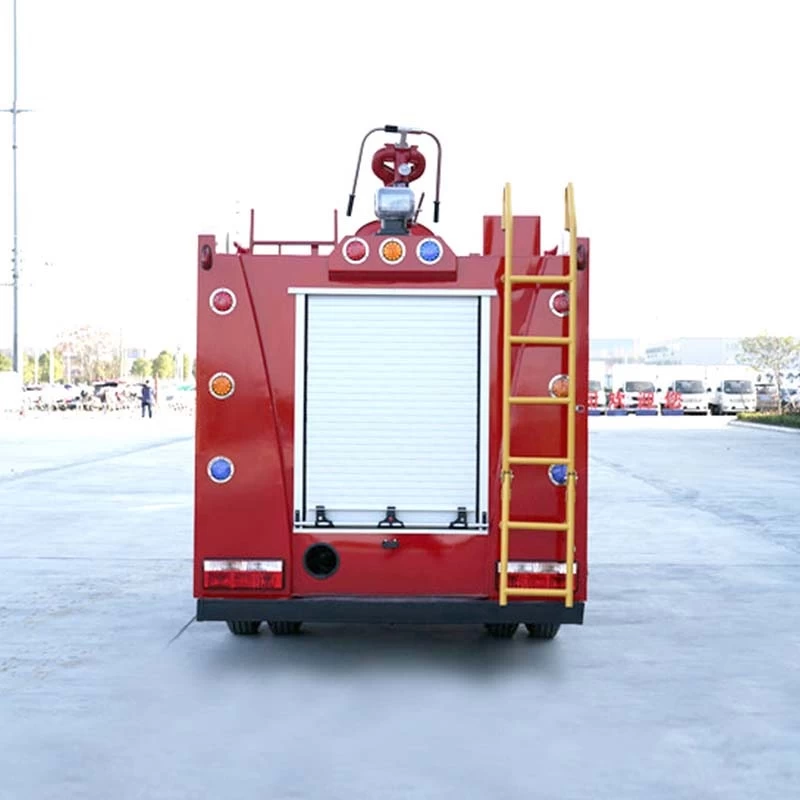
A fire truck wildland is more than a transport vehicle — it is a frontline tool designed to protect lives, property, and ecosystems from the growing threat of wildfires. Its combination of mobility, durability, and purposeful firefighting systems makes it a strategic asset for fire departments, forestry services, and emergency response organizations.
For agencies aiming to strengthen their wildfire response capability, engaging with experienced professionals can help identify the most suitable fire truck wildland configuration for their specific environmental conditions and operational goals. Investing in the right equipment enhances readiness and supports safer, more effective fire suppression outcomes.
