




A fire department truck is a specialized emergency vehicle designed to support firefighting, rescue, and emergency response tasks across diverse environments. Far beyond basic transportation, a fire department truck functions as a mobile command and operational unit, carrying personnel, equipment, and systems needed to respond quickly and effectively when emergencies occur.
From urban streets to industrial zones and remote communities, the fire department truck plays a central role in protecting lives, property, and infrastructure. Its design reflects the need for reliability, rapid deployment, and adaptability under high-pressure conditions.
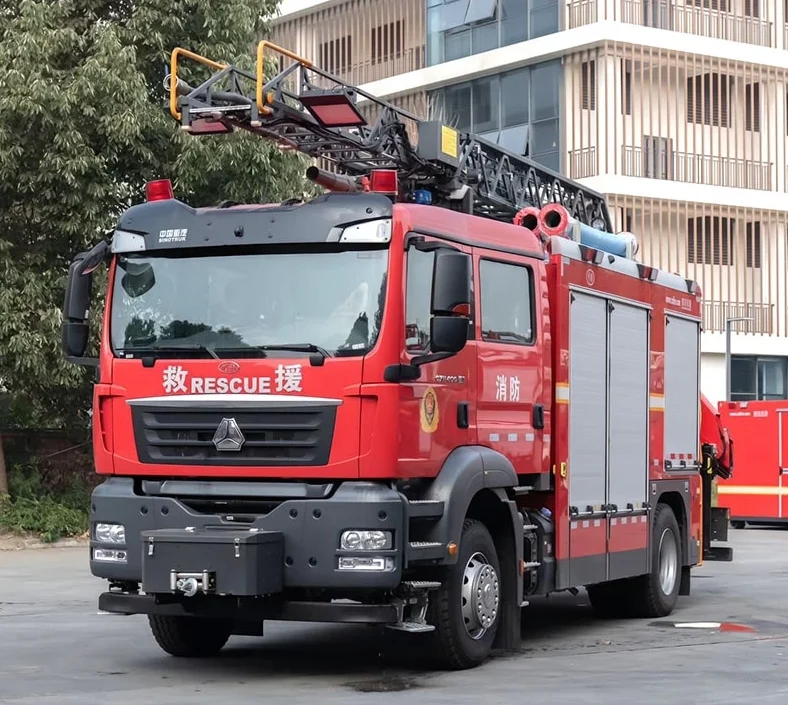
Every fire department truck is engineered with durability and operational readiness in mind. Reinforced chassis structures, high-visibility body designs, and purpose-built compartments ensure the vehicle can perform consistently in challenging environments. Unlike standard commercial vehicles, a fire department truck must remain functional during prolonged operations, extreme heat, heavy loads, and unpredictable terrain.
The integration of mechanical systems, safety features, and ergonomic layouts allows firefighters to focus on response efforts rather than vehicle limitations.
The layout of a fire department truck is carefully planned to reduce response time on scene. Clearly labeled compartments, intuitive equipment placement, and quick-access controls allow crews to deploy tools rapidly and operate efficiently even in low-visibility or high-stress situations.
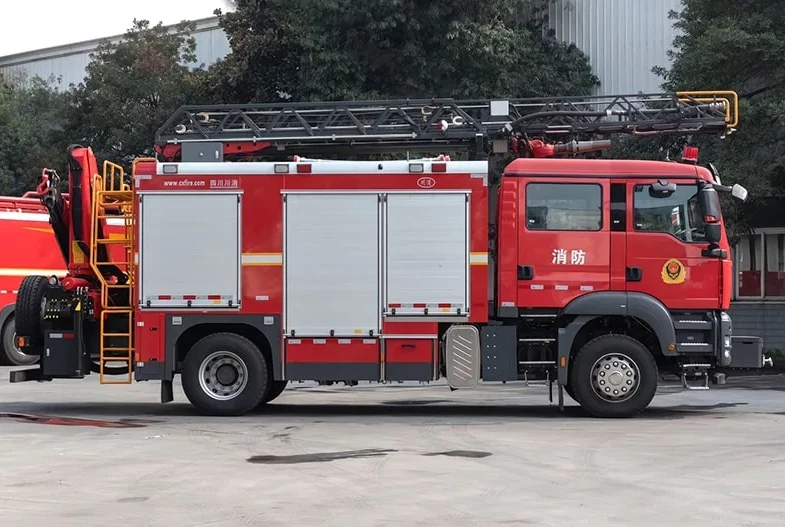
A fire department truck is deployed across a wide range of emergency and support scenarios. Its versatility enables it to adapt to both routine responses and large-scale incidents.
This broad application scope highlights why a fire department truck remains a cornerstone of public safety infrastructure.
Using a vehicle specifically designed as a fire department truck provides significant advantages over adapted or multi-purpose vehicles. These benefits directly affect response effectiveness and crew safety.
These advantages ensure that emergency services can respond decisively when time and accuracy are critical.
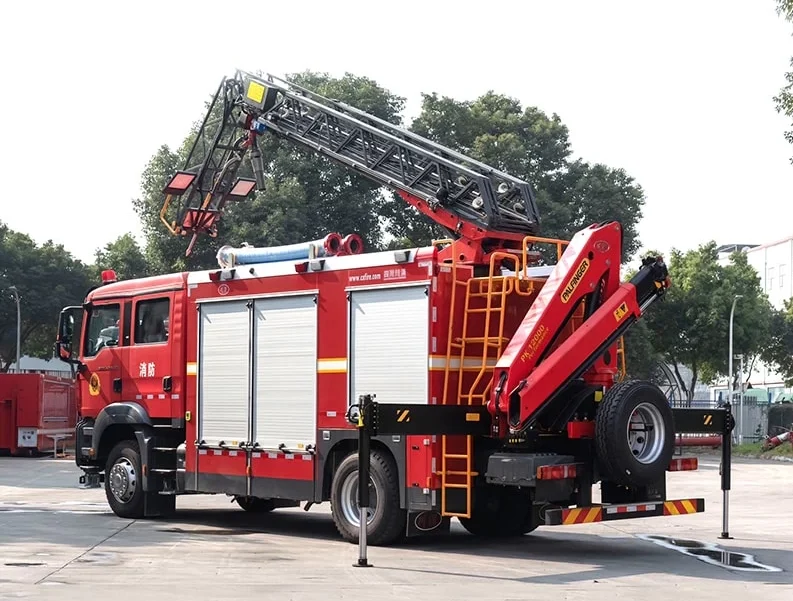
| Specification | Typical Range |
|---|---|
| Crew Capacity | 2–8 personnel |
| Water Tank Capacity | 1,000–6,000 liters |
| Pump Output | 30–60 bar (high-pressure systems) |
| Body Configuration | Engine, rescue, or support layout |
| Lighting & Warning Systems | LED emergency and scene lighting |
Selecting the right fire department truck configuration depends on local risk profiles, population density, and typical incident types. Urban departments may prioritize maneuverability and rapid deployment, while rural or industrial areas may require higher water capacity and extended operational endurance.
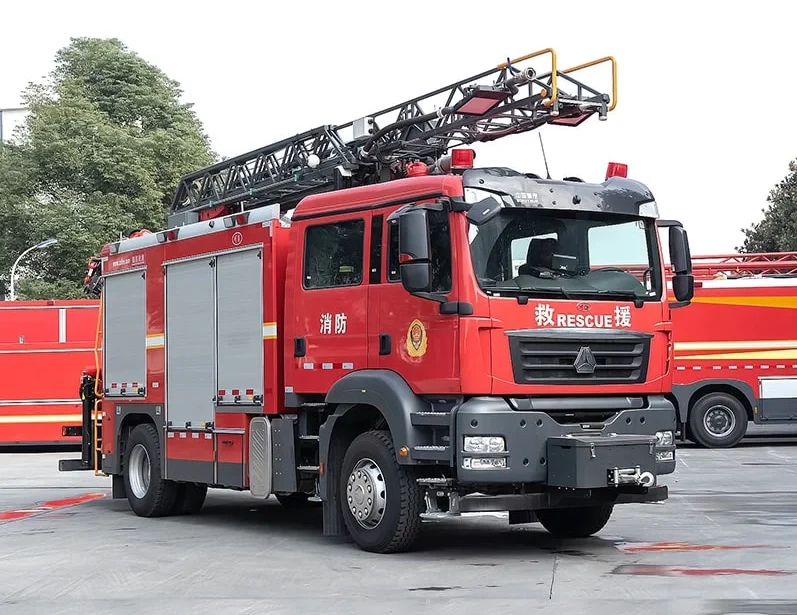
A fire department truck is far more than a mode of transport—it is a mission-critical tool that enables effective emergency response. Through specialized design, integrated systems, and operational flexibility, it empowers fire crews to act quickly and decisively in life-threatening situations.
For agencies planning fleet upgrades or expansions, carefully evaluating fire department truck configurations based on real operational demands is essential. The right vehicle strengthens readiness, enhances safety, and ensures communities receive dependable emergency protection when it matters most.
