




A technical rescue fire truck is designed to respond to emergencies that go far beyond traditional firefighting. These incidents often involve complex environments, trapped victims, unstable structures, or hazardous conditions that require specialized tools and highly trained crews. From vehicle extrications to confined space operations, the technical rescue fire truck plays a critical role in modern emergency response systems.
As urban infrastructure becomes denser and industrial activity more advanced, the demand for specialized rescue capabilities continues to grow. A technical rescue fire truck provides the equipment, organization, and operational flexibility needed to handle these challenging scenarios safely and efficiently.
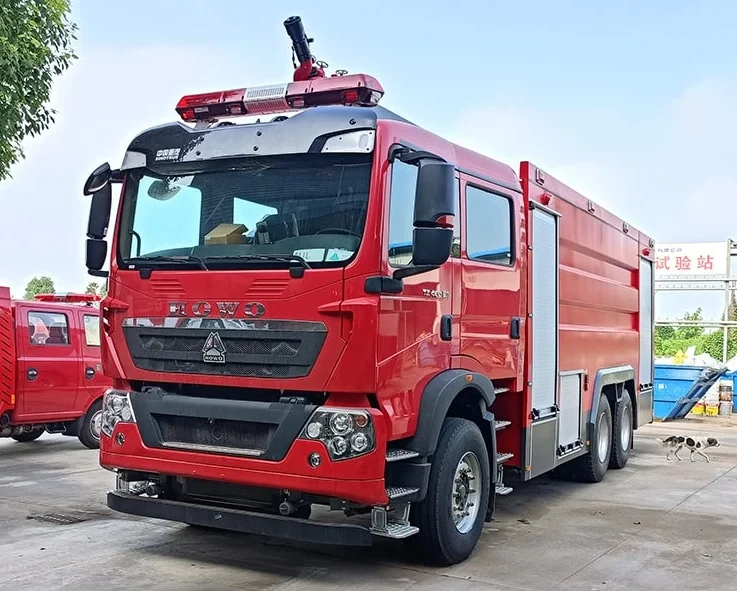
Unlike standard fire engines focused primarily on water delivery, a technical rescue fire truck prioritizes equipment storage, accessibility, and scene versatility. The vehicle is configured to carry a wide range of rescue tools while maintaining clear compartment organization for rapid deployment.
Every element of a technical rescue fire truck is arranged to reduce response time and support coordinated teamwork during high-pressure operations.
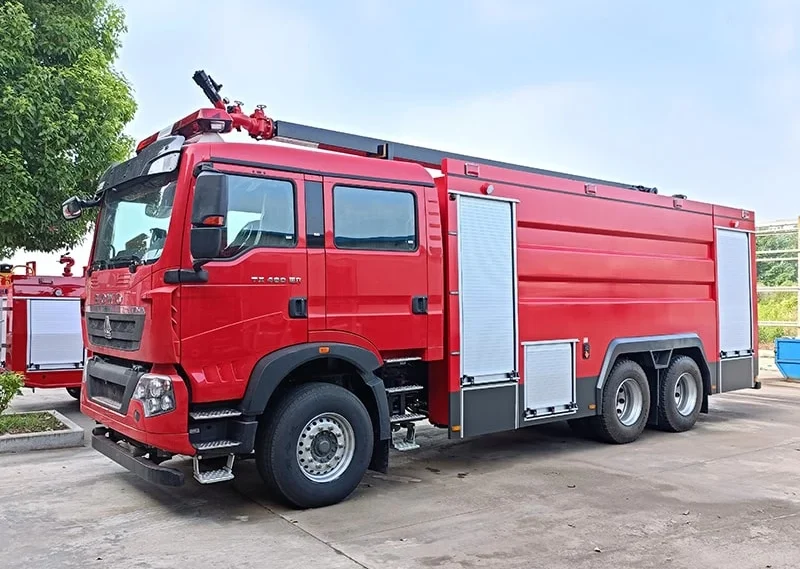
A technical rescue fire truck is deployed in incidents where specialized intervention is required. These situations often demand precision, patience, and the ability to adapt quickly as conditions evolve.
In each of these cases, the technical rescue fire truck functions as a mobile command and equipment platform, supporting both rescue technicians and incident commanders.
One of the primary advantages of a technical rescue fire truck is its ability to support complex rescue operations without improvisation. Compared to conventional fire apparatus, it offers a higher level of preparedness for non-fire emergencies.
By concentrating rescue-specific resources into a single platform, the technical rescue fire truck allows response teams to operate more effectively under challenging conditions.
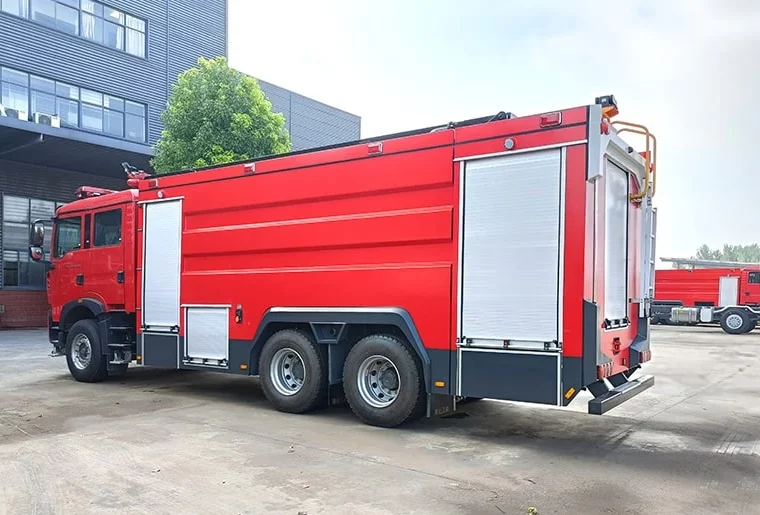
| Specification Category | Typical Configuration |
|---|---|
| Primary Function | Technical rescue and specialized operations |
| Tool Systems | Hydraulic, pneumatic, and electric rescue tools |
| Power Supply | Onboard generator or power management system |
| Stabilization Equipment | Cribbing, struts, and anchoring systems |
| Lighting and Visibility | Scene lighting, mast lights, portable units |
Each technical specification of a technical rescue fire truck contributes directly to operational success. Onboard power systems ensure tools remain functional throughout extended incidents, while stabilization equipment helps secure vehicles or structures before victim access begins. Understanding these specifications allows departments to align vehicle capabilities with anticipated rescue demands.
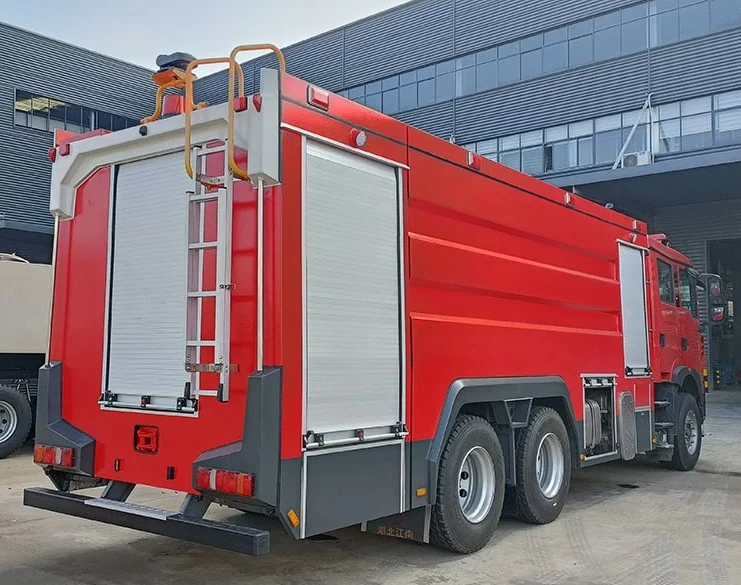
Deploying a technical rescue fire truck requires more than acquiring the vehicle itself. Rescue crews must be trained in both equipment operation and coordinated rescue techniques. Clear standard operating procedures ensure that the truck integrates seamlessly with other fire and emergency units on scene.
Many departments position the technical rescue fire truck as a regional resource, dispatching it to incidents where specialized skills are required while standard fire engines manage suppression and support roles.
A technical rescue fire truck represents a commitment to advanced emergency preparedness. By combining specialized equipment, thoughtful design, and operational flexibility, it enables response teams to address incidents that demand precision rather than speed alone.
As rescue scenarios grow more complex, investing in a well-equipped technical rescue fire truck helps ensure that emergency services can protect both victims and responders while maintaining control in unpredictable, high-risk environments.
