Wildfire Fighting Vehicles: Frontline Tools in Combating Wildland Fires
Reaching the Blaze: What Wildfire Fighting Vehicles Are and Why They Matter
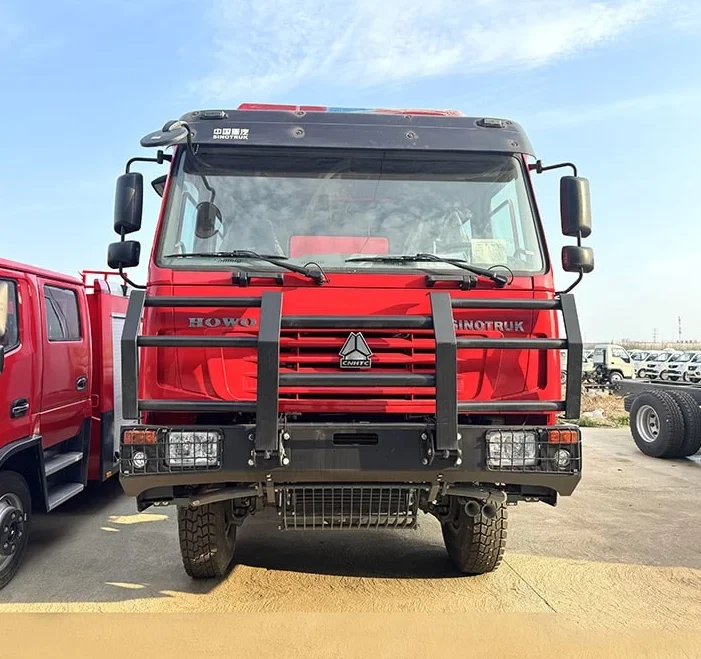
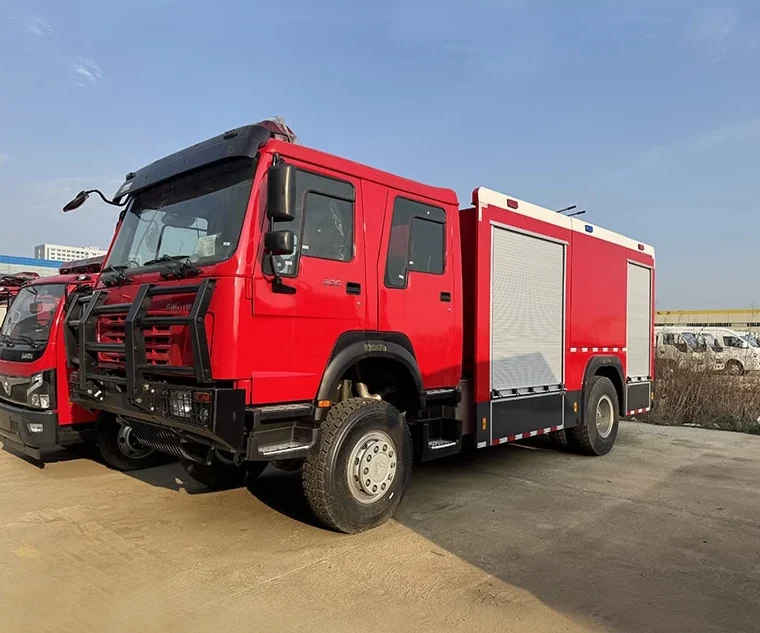
In the era of escalating wildfire activity, wildfire fighting vehicles have become essential assets for emergency responders and forestry management teams. These specialized vehicles are designed to access rugged terrain, carry personnel and equipment, and deliver water or fire retardant to the heart of a blaze. Their mobility, rugged construction, and firefighting capabilities make them indispensable in both initial attack and extended suppression operations.
From remote wilderness trails to urban-wildland interfaces, wildfire fighting vehicles serve as the backbone of ground-based fire response efforts, helping to safeguard lives, property, and ecosystems.
Core Capabilities That Define Modern Wildfire Fighting Vehicles
Wildfire environments pose unique challenges—including steep slopes, unstable surfaces, and rapidly shifting fire behavior. To meet these demands, modern wildfire fighting vehicles combine rugged engineering with specialized firefighting systems:
All-Terrain Mobility – Enhanced suspension, high-ground clearance, and 4×4 or 6×6 drivetrains allow travel across uneven landscapes where standard vehicles cannot operate.
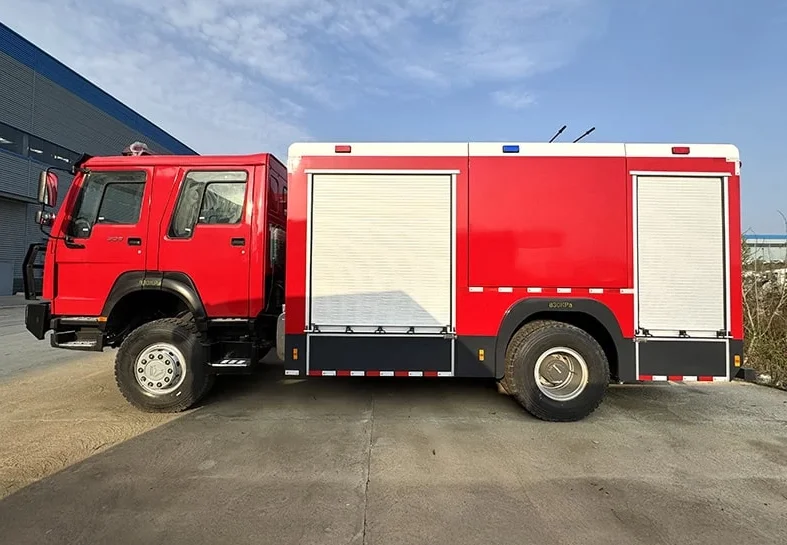
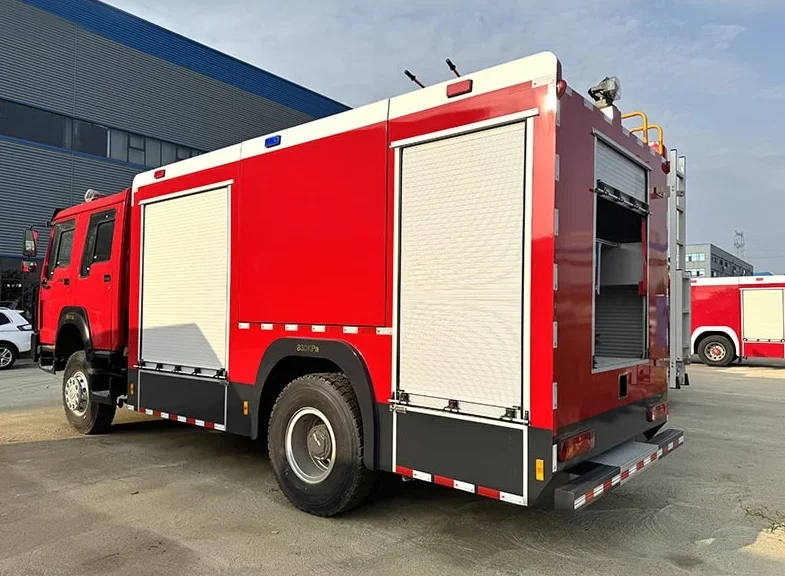
Fire Suppression Systems – Onboard pumps, high-capacity water tanks, and adjustable nozzles provide direct attack capabilities against flames and hot spots.
Protective Crew Compartments – Reinforced cabs and heat-resistant materials help shield firefighters from radiant heat and embers.
Rapid Deployment Features – Quick-connect hose fittings, modular tool storage, and pre-configured lighting systems enable rapid setup once on scene.
Communication Integration – Radios, GPS, and incident command software interfaces keep crews connected to broader firefighting efforts.
The Diverse Roles Wildfire Fighting Vehicles Play in Operations
Wildfire fighting vehicles are not all the same. They are tailored to specific roles based on terrain conditions, fire size, and operational strategy. Key types include:
Initial Attack Units – Light, agile trucks and utility vehicles that reach fires quickly to begin suppression and limit spread.
Brush Trucks – Mid-sized rigs with water tanks and pumps designed for low- to moderate-intensity ground fires.
Engine Company Vehicles – Heavier apparatus with larger water capacities and foam systems, supporting sustained attack operations.
Support and Logistics Vehicles – Cargo carriers, personnel transport units, and command vehicles that sustain frontline crews.
Advantages of Purpose-Built Wildfire Fighting Vehicles
Integrating advanced design and equipment, wildfire fighting vehicles deliver several distinct operational advantages that general-purpose trucks cannot replicate:
Targeted Suppression – Integrated pumps and hose systems allow crews to directly attack fire lines without needing external water sources.
Enhanced Safety – Engineered protective features reduce risks in high-heat zones and unstable terrain.
Rapid Response Capability – Vehicles built for speed and terrain handling help teams reach emergent fire events faster.
Modular Flexibility – Swappable tanks, hose reels, and tool racks adapt to mission-specific requirements.
Coordination and Control – Integrated technology improves situational awareness and aligns actions with incident command strategies.
Wildfire fighting vehicles are deployed in a wide variety of contexts, often under extreme conditions:
Initial Response to Lightning-Struck Wildland – Rapidly deployed brush trucks reach remote fire starts, enabling crews to contain small fires before they grow.
Community Interface Defense – Heavier engines positioned near residential edges help hold back advancing flames and protect structures.
Nighttime Hotspot Suppression – Vehicles equipped with powerful lighting and thermal imaging support crews working after dark to prevent re-ignition.
Evacuation Support – Logistics vehicles assist in coordinated evacuations, transporting personnel and essential supplies.
Choosing the Right Wildfire Fighting Vehicle for Your Fleet
Selecting an appropriate wildfire fighting vehicle depends on mission profiles, terrain challenges, and operational scale. Agencies and departments should evaluate:
The expected terrain and access limitations
Required water capacity relative to average fire size
Integration with existing systems and incident command tools
Maintenance and support network availability
Balancing these factors ensures that investments align with tactical needs and community protection goals.
Looking Ahead: Innovation and Wildfire Response
Advances in vehicle design, pump efficiency, and communications technology continue to expand the capabilities of wildfire fighting vehicles. Enhanced sensor systems, real-time mapping, and hybrid propulsion are emerging trends that improve responsiveness and sustainability—helping frontline crews operate more effectively in ever-changing fire conditions.
Conclusion: Essential Tools for a Growing Challenge
With wildfire risks rising globally, wildfire fighting vehicles are more than just machines—they are critical components of comprehensive fire response strategies. Their mobility, specialized equipment, and rugged construction empower crews to act quickly and safely in life-threatening situations.
Whether you are planning fleet upgrades, evaluating procurement options, or building incident response capabilities, understanding the role and configuration of wildfire fighting vehicles is key to enhancing readiness and protecting communities. Reach out to experienced responders or vehicle specialists to align your strategy with today’s firefighting demands.
Autoking is a team of professionals committed to being the premier specialty vehicles supplier. Our customers come first – We listen to our customers, understand their needs and deliver vehicles with the features and customizations that they want. Since 2014, we have provided custom conversion services according to customer’s special request. We have learned that success comes from planning ahead, making promises, delivering on promises made and exceeding expectations and then consistently delivering reliable, predictable service.