




A fire department utility truck is a versatile support vehicle purpose-built to assist fire and rescue operations with equipment transport, personnel movement, and on-scene logistics. Designed to complement fire engines and ladder apparatus, these utility trucks serve as the backbone of smooth, organized response efforts. Whether deployed for rapid response, support at large incidents, or station-to-station transfers, utility trucks help fire departments stay prepared, efficient, and safe.
From routine station duties to complex multi-agency responses, a well-configured fire department utility truck contributes to operational success and situational adaptability.
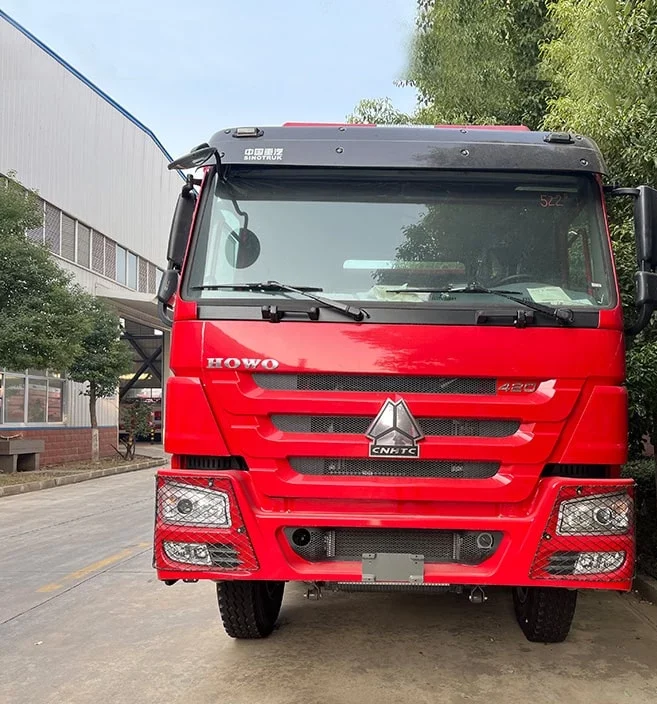
Unlike primary suppression vehicles, a fire department utility truck does not carry large water tanks or pumps. Instead, these vehicles are optimized for transporting essential gear, rescue tools, and support equipment. Below are core features that enhance performance and utility:
The adaptability of a fire department utility truck makes it valuable across diverse operational scenarios. These include everyday tasks as well as large-scale emergency responses:
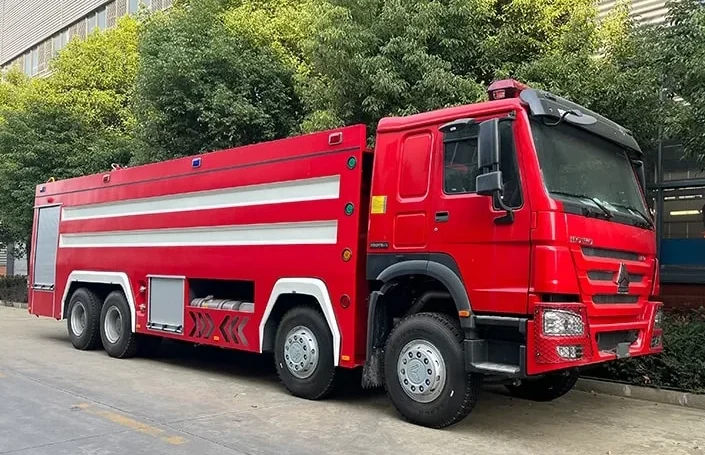
A fire department utility truck differs from civilian service trucks through purposeful engineering that prioritizes emergency operational needs. Unlike general-purpose trucks, utility units are configured with fire service input to handle rapid deployment, secure storage, and rugged conditions. Key advantages include:
| Specification Category | Common Features & Capabilities |
|---|---|
| Chassis Type | Heavy-duty pickup or medium-duty commercial truck frame |
| Engine Output | 260 – 450+ HP (diesel or gasoline) |
| Cargo Body Style | Service body, utility bed, enclosed box, flatbed with tool storage |
| Maximum Payload | 2,000 – 7,000+ lbs (900 – 3,175+ kg) |
| Towing Capacity | Up to 12,000+ lbs (varies by configuration) |
| Lighting & Warning Systems | LED light bars, scene lights, reflective markings |
| Communication Gear | Two-way radios, mobile device mounts, GPS navigation |
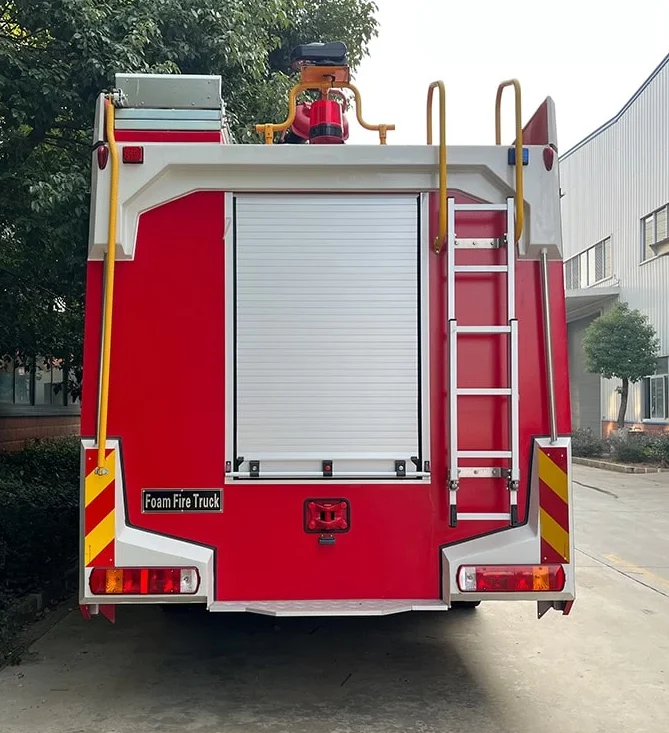
Fire departments that employ fire department utility trucks routinely see improvements in operational flow and mission readiness. These vehicles act as multipurpose platforms that reduce downtime, speed up response preparation, and offer flexibility when facing unpredictable scenarios:
Choosing the right fire department utility truck involves matching vehicle capabilities with organizational needs. Departments should assess:
Collaborating with fleet managers, apparatus technicians, and field crews can improve specification accuracy and operational satisfaction.
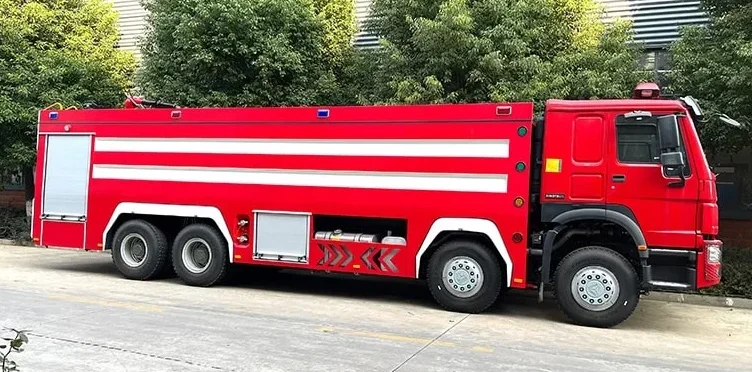
A well-equipped fire department utility truck enhances a fire department’s capability to operate more efficiently, safely, and responsively. These vehicles serve as logistical workhorses that ensure firefighters have the gear they need when and where it’s needed most.
Whether upgrading existing support vehicles or planning a new fleet addition, engaging with experienced vehicle specialists will help align configurations with real-world demands. Equip your team for excellence in every response by investing in the right utility truck today.
