




As healthcare systems continue evolving toward flexibility and accessibility, mobile health trucks have emerged as one of the most effective ways to deliver medical services directly to underserved populations. These vehicles function as fully equipped clinical environments on wheels, capable of performing primary care services, health screenings, vaccinations, diagnostics, and emergency outreach in regions where traditional facilities are limited. Their expanding role in public health demonstrates how mobility can bridge gaps and bring essential care closer to those who need it most.

Unlike fixed clinics, mobile health trucks travel to rural communities, congested urban areas, workplaces, schools, and temporary relief zones. By bringing care to the patient instead of requiring the patient to travel, they eliminate common barriers such as transportation difficulties, long wait times, or the absence of local facilities. These mobile units also enhance community health programs, allowing local agencies and healthcare providers to extend their outreach efficiently.
The versatility of mobile health trucks allows them to be deployed in numerous settings. Public health agencies often use them for vaccination campaigns, screenings, and community outreach programs. Non-profit organizations benefit from their mobility for rural medical missions, behavioral health support, and maternal-child health initiatives. Corporations and large industrial sites use them to conduct onsite wellness checks or occupational health testing. Schools also adopt mobile units for vision tests, dental care, and immunization drives, reducing students’ absenteeism.

One of the major advantages is accessibility—patients receive consistent medical support even in geographically isolated locations. Operational efficiency also improves since mobile units reduce facility construction and maintenance costs while allowing providers to shift resources based on real-time demand. Another benefit is flexibility: mobile units can adapt to urgent situations such as natural disasters, epidemics, or temporary event support. Additionally, their visibility within communities often increases health awareness and encourages more individuals to participate in preventive care.
| Specification | Details |
|---|---|
| Overall Length | 18–28 ft depending on configuration |
| Interior Layout Options | Primary care suite, exam room, dental bay, lab station, multipurpose workspace |
| Power System | Generator or lithium battery pack with external shore power support |
| HVAC & Climate Control | Medical-grade AC with independent heating and cooling zones |
| Flooring & Surfaces | Non-slip medical flooring and antibacterial wall panels |
| Accessibility | Wheelchair ramp, grab rails, widened entrance |
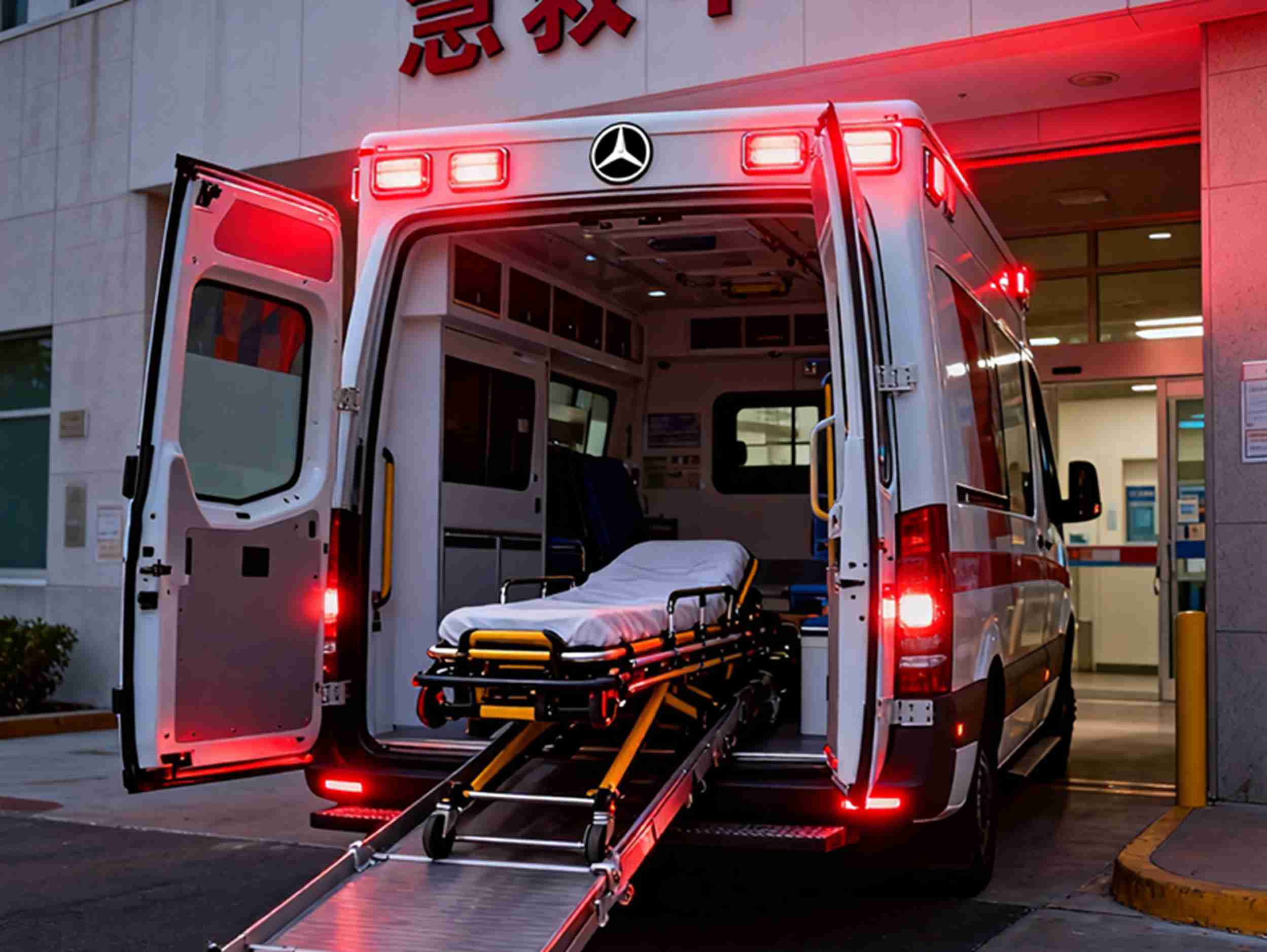
With their adaptability, efficiency, and broad service capabilities, mobile health trucks continue to reshape how healthcare is delivered. They empower hospitals, NGOs, and government programs to reach populations that might otherwise go without essential care. Whether you’re expanding a medical outreach initiative or seeking a scalable mobile solution, these vehicles offer a reliable and impactful way to extend healthcare access.
Ready to explore more? Get in touch to discuss configurations, customization options, or deployment strategies for your mobile health service program.
