




A general fire truck is designed to serve as the backbone of many firefighting fleets. Rather than focusing on a single specialized mission, it is built to handle frequent, routine emergencies while remaining capable of responding to unexpected situations. This type of fire truck is commonly used by municipal fire departments, industrial facilities, airports, and community-based fire units that require dependable, all-purpose response capability.
By integrating firefighting, rescue support, and crew transport into one platform, a general fire truck provides a practical solution for departments seeking efficiency, reliability, and operational flexibility.
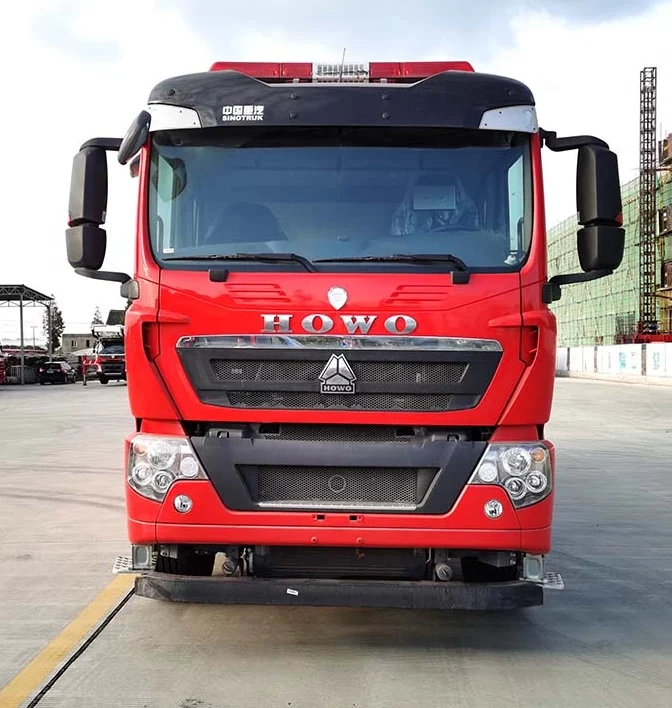
In real emergency conditions, the value of a general fire truck lies in its readiness. The vehicle is typically equipped with essential systems that allow firefighters to begin suppression work immediately upon arrival.
A general fire truck is frequently deployed in situations where versatility is more important than specialization. It is often the first vehicle dispatched, forming the foundation of the response strategy.
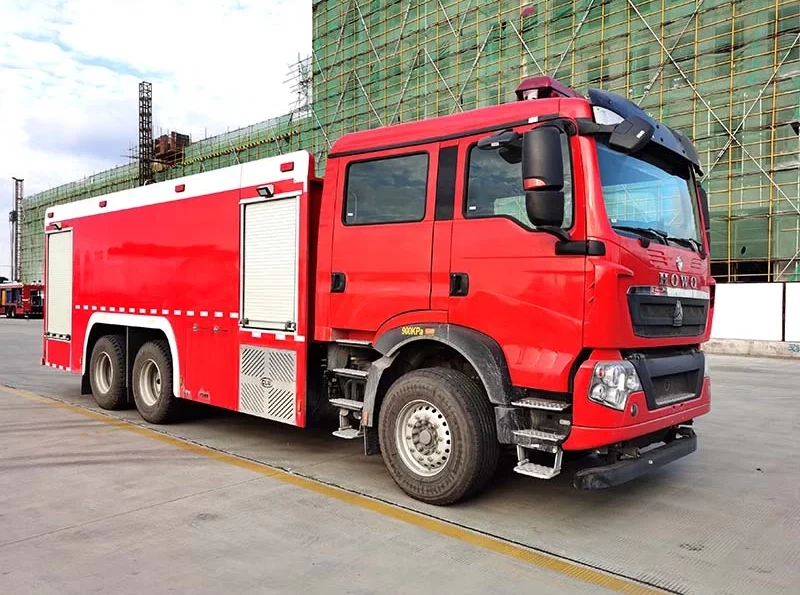
Compared with highly specialized fire apparatus, a general fire truck offers a balanced approach to fleet management. It reduces complexity while maintaining sufficient capability for most common emergencies.
One key advantage is adaptability. Departments can customize equipment compartments, water capacity, and auxiliary systems to match local risks and regulations. Maintenance is also more straightforward, which helps keep the vehicle operational with minimal downtime. This reliability is especially important for regions where technical support resources are limited.
Although configurations vary, a general fire truck typically follows a standardized technical layout. The table below summarizes common parameters used to describe this category of fire vehicle.
| Specification Item | Typical Configuration |
|---|---|
| Vehicle Classification | Multi-purpose firefighting truck |
| Water Tank Capacity | Medium-volume tank for first-response operations |
| Fire Pump System | Standard-pressure pump for continuous water supply |
| Crew Seating | Driver plus multiple firefighters |
| Equipment Compartments | Side and rear storage for hoses and tools |
| Drivetrain Options | Available in 2WD or 4WD for different terrains |
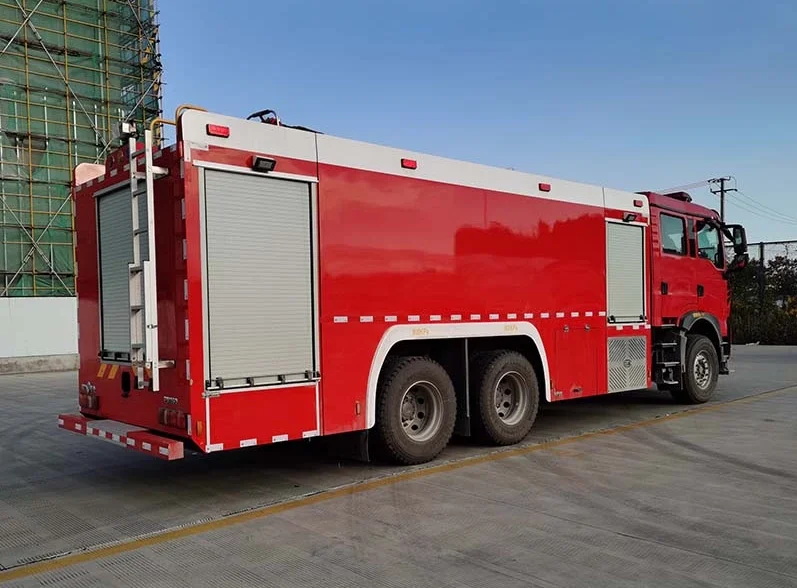
From a strategic perspective, investing in a general fire truck allows organizations to maximize coverage without expanding fleet size excessively. One well-configured vehicle can support firefighting, basic rescue, and water supply tasks, making it suitable for both growing cities and established industrial zones.
Its broad usability also makes training more efficient, as firefighters become familiar with a single platform rather than multiple specialized vehicles. This consistency improves coordination during emergencies and enhances overall operational readiness.
A general fire truck remains a critical asset for fire services that prioritize flexibility, reliability, and rapid response. Its ability to perform across multiple scenarios makes it a practical choice for a wide range of firefighting environments.
If you are evaluating firefighting vehicle options or planning to upgrade an existing fleet, consulting with experienced technical advisors can help determine the most suitable general fire truck configuration. A well-matched solution can significantly improve emergency response efficiency and long-term operational effectiveness.
