Forest Fire Fighting Trucks: Essential Equipment for Wildfire Protection
Introduction
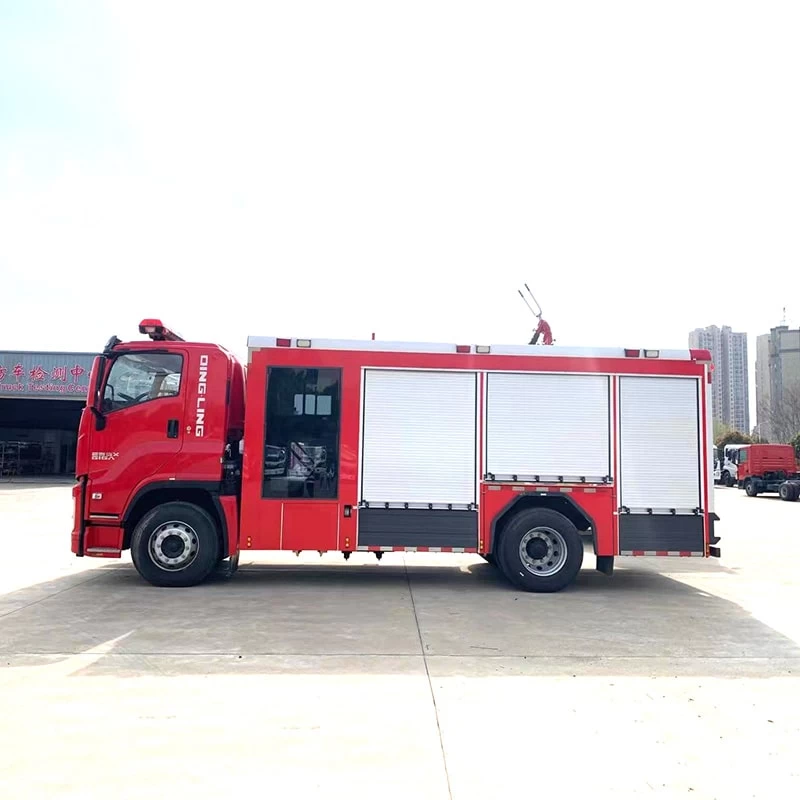
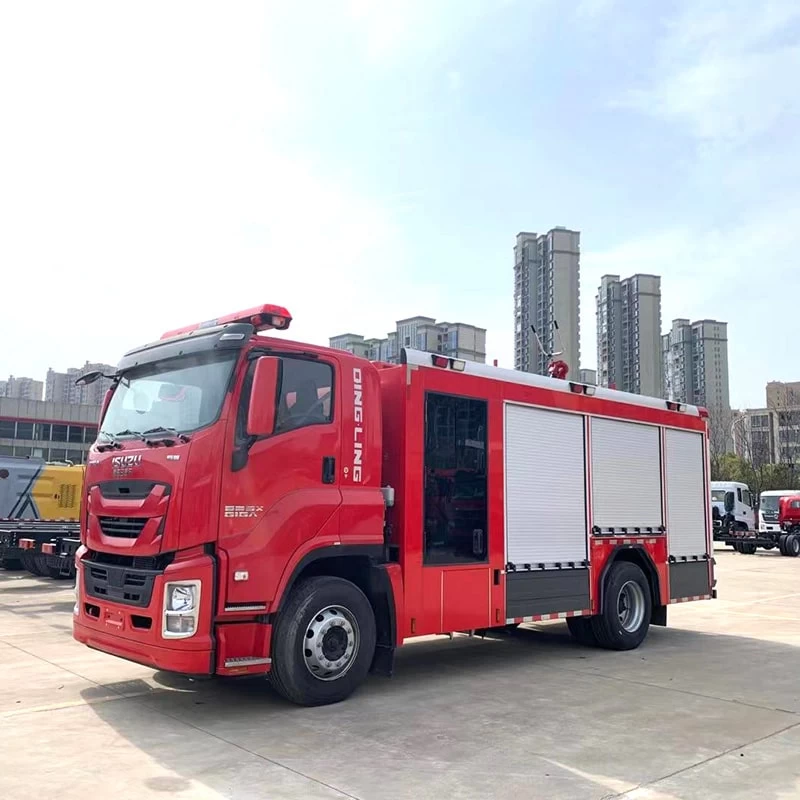
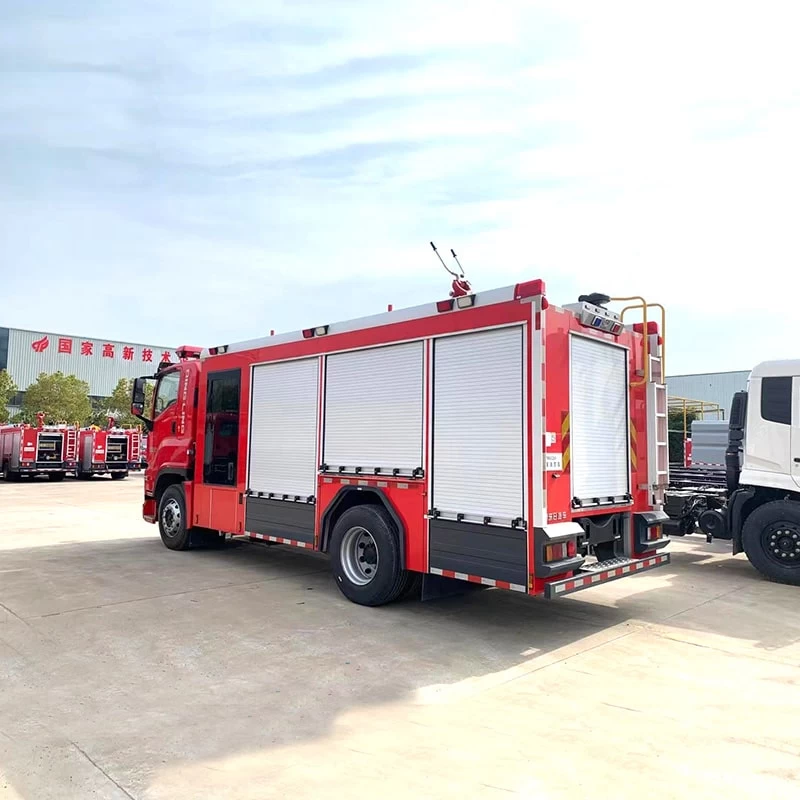
Forest fire fighting trucks are specially designed vehicles used to combat wildfires in forests, grasslands, and other natural environments. These trucks are equipped with the necessary tools to provide rapid, efficient responses to fires in areas that are often difficult to access. Forest fires can spread quickly and unpredictably, and having the right fire-fighting equipment on hand is crucial to minimizing damage and ensuring the safety of both wildlife and human populations.
This article will discuss the key features, types, applications, advantages, and technical specifications of forest fire fighting trucks, highlighting how these vehicles are vital in modern firefighting efforts in rural and remote areas.
Key Features of Forest Fire Fighting Trucks
Forest fire fighting trucks are specially engineered to handle the unique challenges of battling fires in the wilderness. They are designed for high mobility, off-road capability, and rapid deployment, with features tailored to wildland firefighting. Below are the essential features of these trucks:
Off-Road Capability: Forest fire trucks are equipped with rugged tires and reinforced suspension systems, allowing them to travel through rough, uneven, and muddy terrain.
Water Tanks: Typically holding anywhere from 300 to 1,000 gallons of water, these trucks are capable of transporting large quantities of water directly to the fire site.
High-Pressure Pumps: Powerful pumps allow firefighters to deploy water over long distances or at high pressures to reach distant flames.
Fire Hose and Nozzles: Equipped with specialized hoses and nozzles that can spray water, foam, or retardant, these trucks allow firefighters to suppress fires effectively.
Foam Systems: Many forest fire trucks are fitted with foam dispensers to create fire-retardant foam, which can be essential in suppressing flames, especially in areas with dry brush.
Storage for Firefighting Tools: These trucks have built-in compartments to carry tools such as chainsaws, axes, rakes, shovels, and protective gear for crews.
Types of Forest Fire Fighting Trucks
There are different types of fire trucks designed to meet the specific needs of wildland firefighting. These trucks vary based on the terrain, fire size, and the needs of the response team:
Type 6 Fire Trucks: These are the smallest and most mobile fire trucks, often used for initial attack in wildland fires. They are typically equipped with a small water tank (around 300–500 gallons) and are ideal for forest roads and backcountry areas.
Type 7 Fire Trucks: Slightly larger than Type 6, Type 7 trucks can hold up to 1,000 gallons of water and are designed for tougher terrain and larger fires. These trucks are versatile and can handle most wildland fire conditions.
Type 3 Fire Trucks: These are heavy-duty trucks designed for more extensive firefighting operations. They have larger water tanks (up to 1,500 gallons) and are equipped with high-pressure pumps, allowing them to battle large fires effectively.
Wildland Fire Engines: These are full-size fire trucks designed to support larger wildland firefighting efforts. They often include advanced fire suppression systems and multiple water and foam systems for battling large-scale wildfires.
Applications of Forest Fire Fighting Trucks
Forest fire fighting trucks are indispensable in a variety of firefighting scenarios, including:
1. Wildland Firefighting
The most common application of these trucks is to fight wildfires in forests, grasslands, and rural areas. Their ability to navigate rugged terrain and quickly deploy water or foam is essential in controlling fires before they spread too far.
2. Initial Attack and First Response
Fire departments rely on forest fire trucks for quick initial response. Type 6 and Type 7 trucks are often the first units deployed to wildland fires, providing rapid suppression and containing smaller fires before they can grow into major disasters.
3. Remote Firefighting
In areas with limited access by traditional fire engines, forest fire trucks can reach fires that would otherwise be difficult to tackle. These trucks can navigate narrow trails, steep hills, and muddy areas where larger trucks might struggle.
4. Prescribed Burns and Fire Prevention
These trucks are also used in controlled burns or firebreak creation, which help reduce the risk of larger, uncontrollable wildfires by clearing brush and other flammable material.
Advantages of Forest Fire Fighting Trucks
Investing in forest fire fighting trucks offers several advantages that enhance firefighting efforts:
Enhanced Mobility: The rugged design of these trucks allows them to access difficult-to-reach areas, providing a critical advantage in wildfire suppression.
Cost-Effective Initial Response: Smaller trucks like Type 6 and Type 7 can offer affordable first-response solutions, preventing the need for more expensive resources.
Improved Response Time: Their ability to deploy quickly in remote areas allows them to reduce fire spread and prevent larger, more devastating fires.
Multipurpose Use: Beyond fighting fires, forest fire trucks can be used for fire prevention, rescue operations, and even assisting in flood or disaster relief efforts.
Durability: Designed to withstand the harsh conditions of wildland fires, these trucks have robust components that ensure reliable performance in the field.
Technical Specifications of Forest Fire Fighting Trucks
Forest fire fighting trucks come in various configurations to meet the needs of firefighting teams. Below is a table showing common specifications for these trucks:
Specification
Details
Water Tank Capacity
300 to 1,500 gallons (varies by type)
Pump Capacity
Up to 200 GPM (gallons per minute)
Off-Road Capability
Heavy-duty tires and suspension for rugged terrain
Foam System
Optional, for fire retardant foam deployment
Firefighting Tools
Includes axes, chainsaws, hoses, and rakes
Drive System
4×4 or AWD for off-road mobility
Choosing the Right Forest Fire Fighting Truck
When selecting a forest fire fighting truck, it’s important to consider factors such as:
Terrain: The type of terrain you’ll be operating in will help determine whether you need a lightweight, highly mobile Type 6 truck or a larger, more powerful Type 3 engine.
Water Capacity: The size of the water tank should match the scale of the fires you typically respond to, ensuring that you can carry enough water for effective suppression.
Special Features: Some trucks come equipped with foam systems or advanced communication tools, which can improve firefighting efficiency and coordination.
Maintenance and Reliability: Ensure the truck has a strong track record of reliability, especially in harsh environments, and is easy to maintain and repair.
Conclusion
Forest fire fighting trucks are indispensable in the fight against wildfires, providing firefighting teams with the mobility, versatility, and equipment needed to control and suppress fires in remote and rugged areas. Whether used for wildland fire suppression, initial attack, or fire prevention, these trucks are crucial for minimizing the spread of forest fires and protecting lives and property.
If you’re considering adding forest fire fighting trucks to your fleet, be sure to choose the right type based on your operational needs, budget, and the specific challenges you face. With the right equipment, your firefighting team will be well-equipped to handle even the toughest wildfire scenarios.
Autoking is a team of professionals committed to being the premier specialty vehicles supplier. Our customers come first – We listen to our customers, understand their needs and deliver vehicles with the features and customizations that they want. Since 2014, we have provided custom conversion services according to customer’s special request. We have learned that success comes from planning ahead, making promises, delivering on promises made and exceeding expectations and then consistently delivering reliable, predictable service.