




In an era where sustainability and operational efficiency are reshaping the transportation industry, the EV box truck has emerged as a game-changing solution for businesses prioritizing eco-friendly practices without compromising on cargo capacity. Unlike traditional diesel-powered box trucks, which rely on fossil fuels and emit harmful greenhouse gases, the EV box truck runs entirely on electricity—making it ideal for urban deliveries, warehouse operations, and short-haul logistics where noise and emissions are major concerns. As cities tighten regulations on carbon footprints and noise pollution, more fleets are transitioning to EV box trucks to meet compliance goals while cutting long-term operational costs.
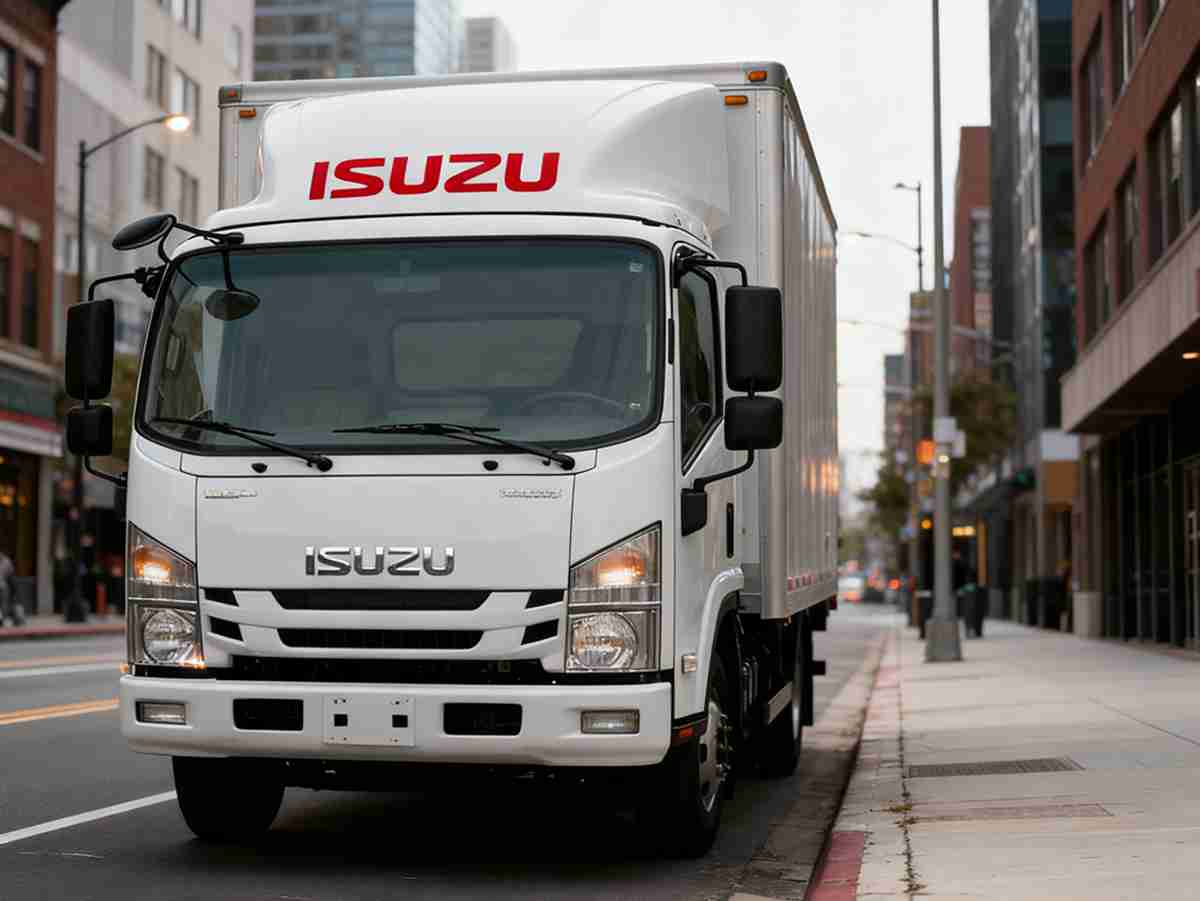
Today’s EV box trucks are designed to address the unique needs of logistics and delivery businesses, with features that balance performance, practicality, and sustainability:
Long-Lasting Battery Systems: Equipped with high-capacity lithium-ion batteries (typically 100–200 kWh), most models offer a range of 120–250 miles per charge—enough to cover full-day last-mile delivery routes without mid-shift recharging.
Spacious, Customizable Cargo Areas: The box (cargo compartment) retains the same dimensions as traditional box trucks (e.g., 14–26 feet in length) and can be modified for temperature control (for food/pharmaceutical delivery) or secure storage (for high-value goods).
Regenerative Braking: This energy-recycling feature captures kinetic energy during braking, extending battery life by 10–15% and reducing wear on brake pads—lowering maintenance costs over time.
Smart Fleet Integration: Most EV box trucks include telematics systems that track battery status, route efficiency, and vehicle health in real time, helping fleet managers optimize schedules and prevent downtime.
The versatility of EV box trucks makes them suitable for a wide range of industries, particularly those operating within urban or suburban areas:
Last-Mile Delivery: E-commerce giants and local retailers use EV box trucks to transport packages from distribution centers to customer doorsteps, as their quiet operation avoids disturbing residential areas (even during early-morning or evening runs).
Food and Beverage Distribution: Temperature-controlled EV box trucks safely transport perishables (e.g., groceries, dairy, and craft beverages) without relying on diesel generators, reducing both emissions and fuel costs.
Warehouse and Industrial Logistics: Within large facilities or industrial parks, EV box trucks move inventory between warehouses, loading docks, and production lines—their zero-emission design improves air quality for on-site workers.
Municipal and Service Operations: Cities use smaller EV box trucks for waste collection (recyclables), maintenance supplies delivery, or public works projects, aligning with urban sustainability initiatives.
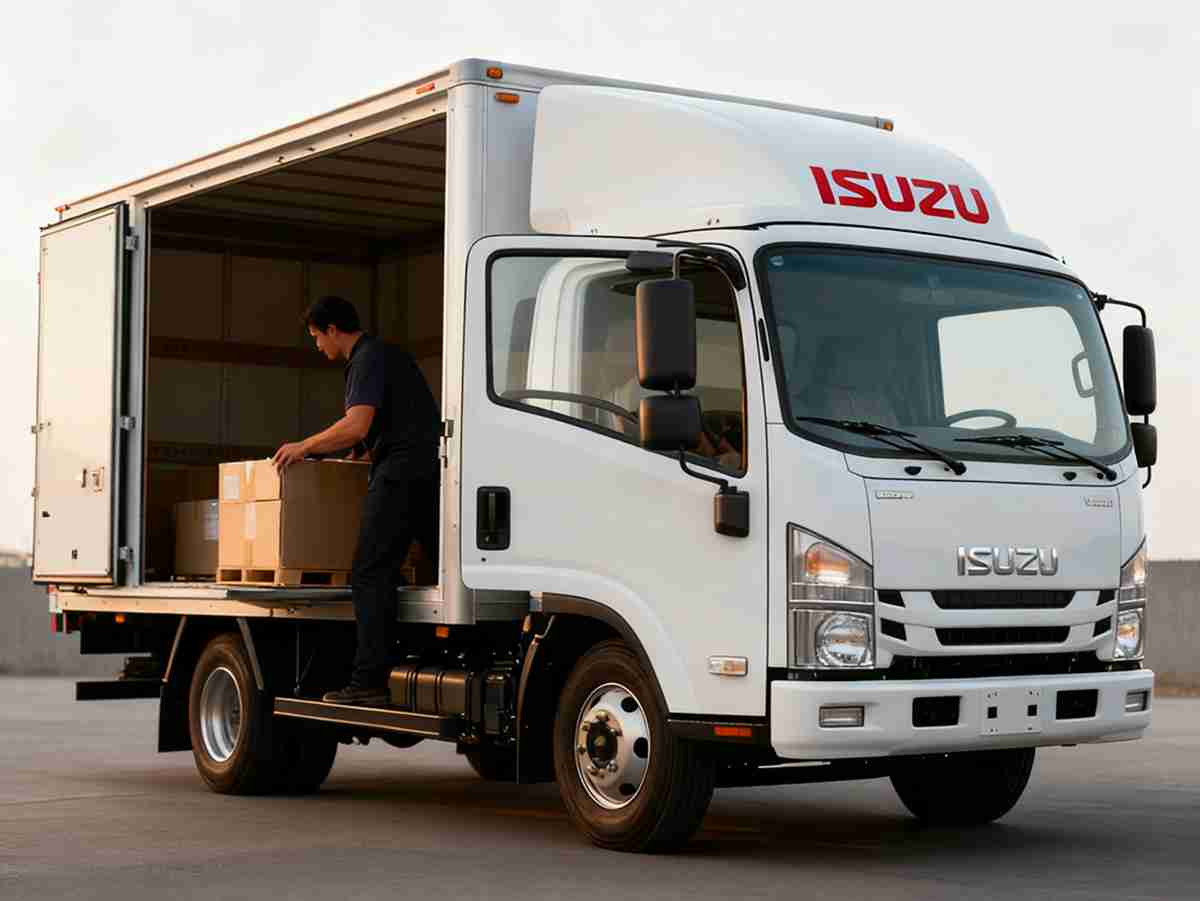
For businesses evaluating fleet upgrades, the EV box truck offers clear advantages over its diesel counterpart:
Lower Operational Costs: Electricity is significantly cheaper than diesel (on average, $0.03–$0.05 per mile for EVs vs. $0.15–$0.20 per mile for diesel trucks). Additionally, EVs have 30–40% fewer moving parts, reducing maintenance expenses (no oil changes, fewer engine repairs).
Compliance with Environmental Regulations: Many cities (e.g., Los Angeles, New York, and London) have implemented low-emission zones (LEZs) or banned diesel vehicles in city centers. EV box trucks bypass these restrictions, avoiding fines and ensuring uninterrupted operations.
Improved Driver Experience: EVs produce minimal noise and offer smoother acceleration, reducing driver fatigue during long shifts. The lower center of gravity (from underfloor batteries) also enhances stability, making the vehicle easier to maneuver in tight urban spaces.
Whether you’re a small business looking to reduce your carbon footprint or a large fleet aiming to cut operational costs, the EV box truck offers a reliable, future-proof solution. To get started, consider assessing your daily delivery routes (to confirm range needs) and exploring charging infrastructure options (e.g., on-site chargers or public networks). Many manufacturers also offer demo programs, allowing you to test an EV box truck in real-world conditions before making a commitment.
Don’t wait—join the shift toward sustainable logistics and unlock the long-term benefits of the EV box truck today. Reach out to a trusted commercial EV provider to discuss custom solutions for your fleet
