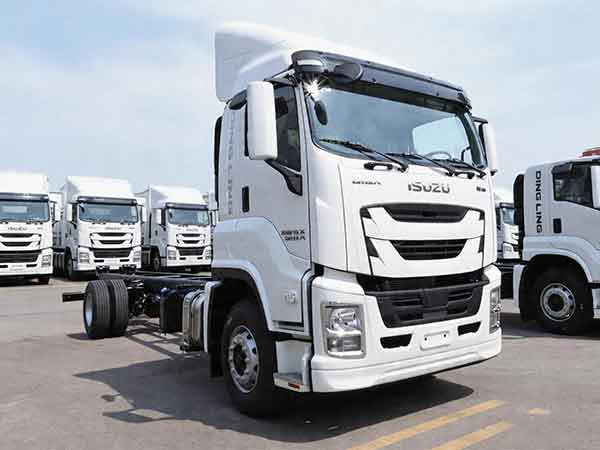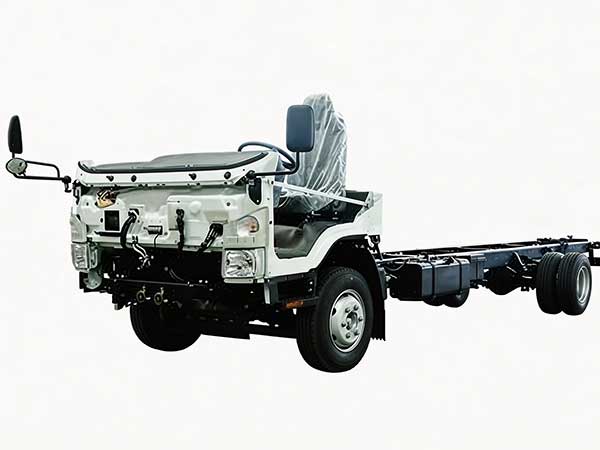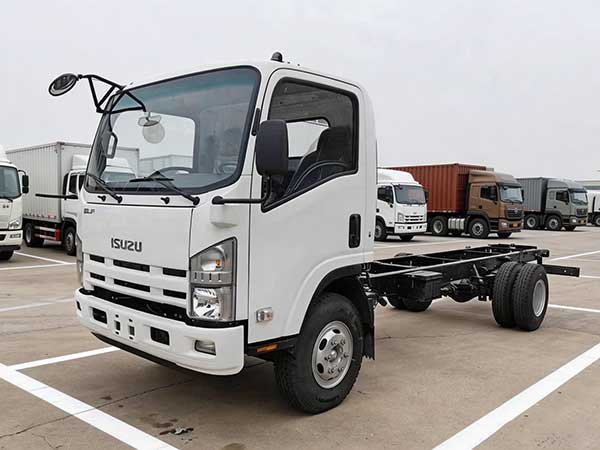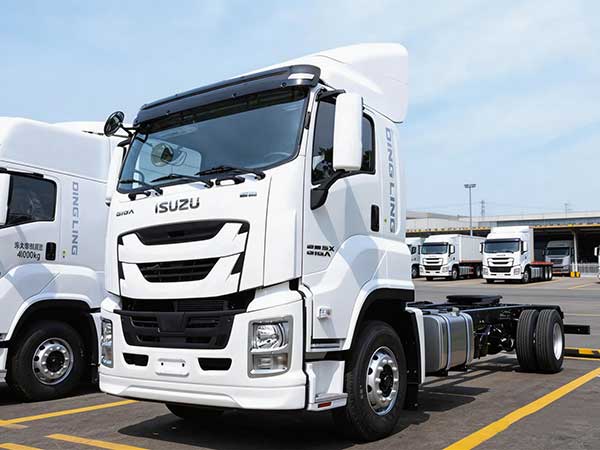


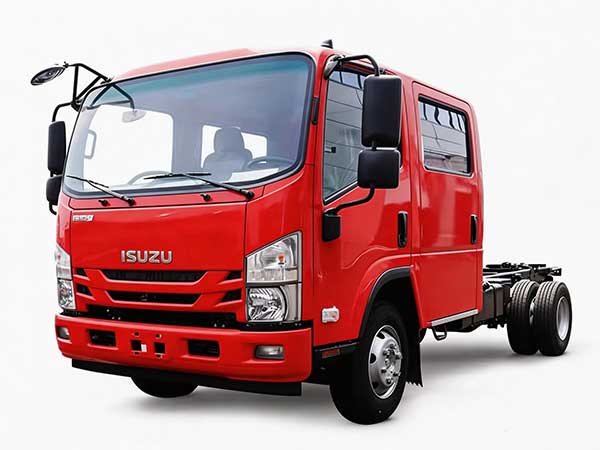
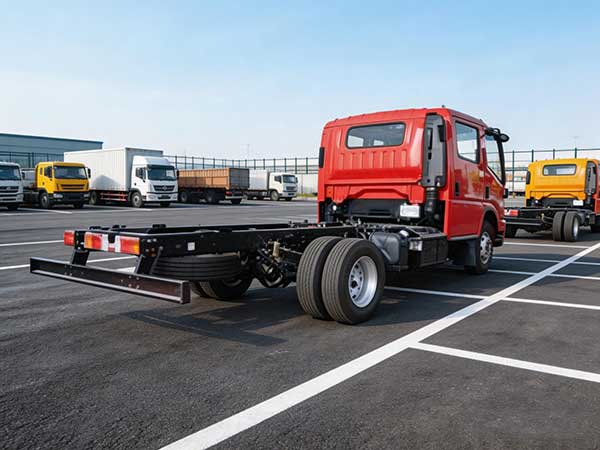
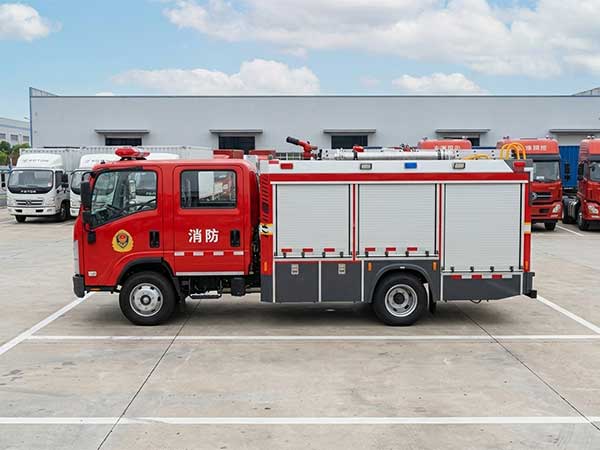
A firefighting truck chassis built on an ISUZU platform is designed to serve as a stable and reliable base for emergency rescue vehicles. It’s commonly used for water tankers, foam fire engines, and rapid intervention units. The core idea is simple: combine ISUZU’s proven durability with specialized firefighting systems, creating a vehicle that performs under pressure without unnecessary complexity.
* Engine power range: 120HP to 300HP depending on model (100P, 700P, FTR, GIGA)
* Drive type: 4×2 or 4×4 options for urban and off-road response
* Wheelbase: 2,800 mm to 5,200 mm adaptable for different tank sizes
* Transmission: Manual or automatic, matched for heavy-duty operation
* Suspension: Reinforced leaf spring system for high load stability
In real deployment scenarios, selection often depends less on specs and more on use case. Urban fire departments tend to prefer lighter chassis like ELF or NPR due to maneuverability in tight streets. On the other hand, industrial zones or mining sites lean toward heavier platforms such as FTR or GIGA, where larger water tanks and extended operation time are critical.
One noticeable advantage of ISUZU-based firefighting chassis is long-term operating efficiency. The fuel consumption remains relatively low compared to similar-duty trucks, and maintenance intervals are predictable. For fleet operators, this translates into fewer unexpected downtimes, which matters more than peak performance numbers.
Dimension flexibility also plays a role in customization. A shorter wheelbase allows quicker response and tighter turning radius, while extended chassis can support integrated systems like high-capacity pumps, foam proportioning units, or aerial ladders. This adaptability is often what makes ISUZU chassis a practical choice across different firefighting scenarios.
Cost considerations vary depending on configuration, but in general, ISUZU platforms sit in a balanced position—neither the cheapest nor the most expensive. What stands out is the value over time: parts availability, global service networks, and consistent performance tend to justify the investment for many buyers.
In markets where reliability is non-negotiable, these chassis are often chosen not for innovation, but for predictability. That alone can be a decisive factor when the vehicle is expected to perform in high-risk, time-sensitive environments.