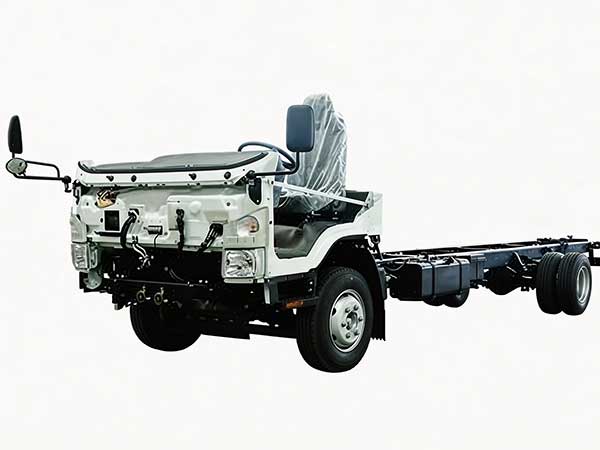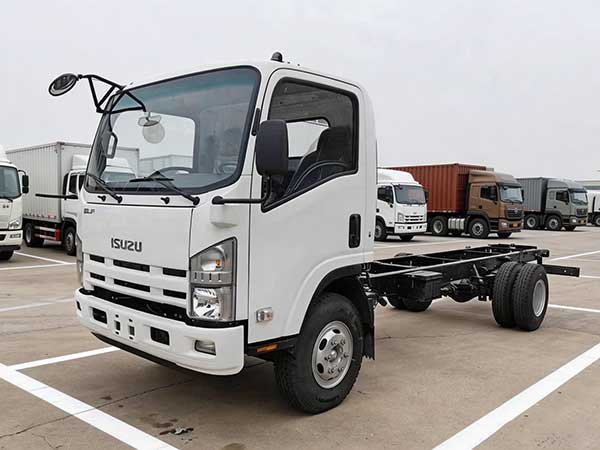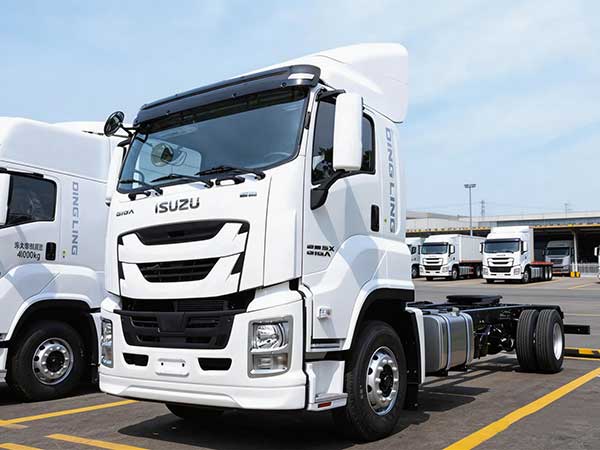


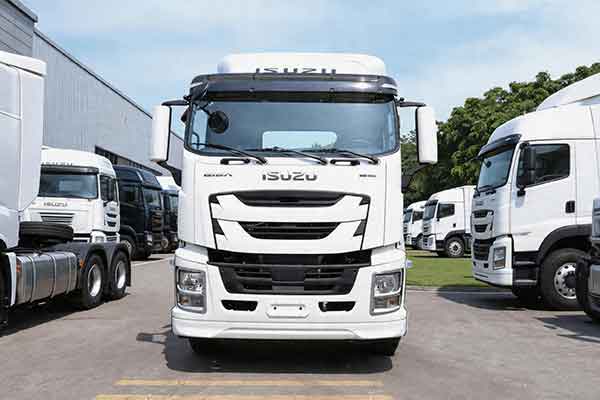
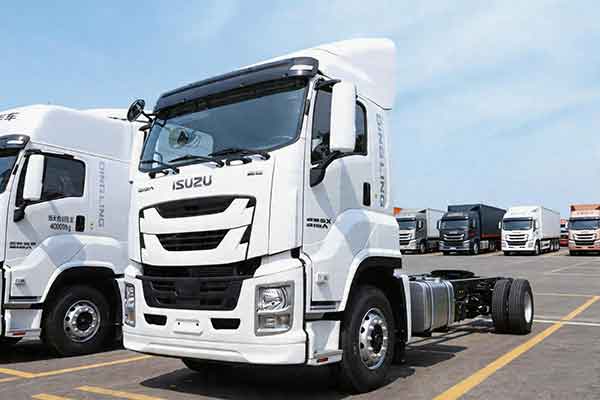
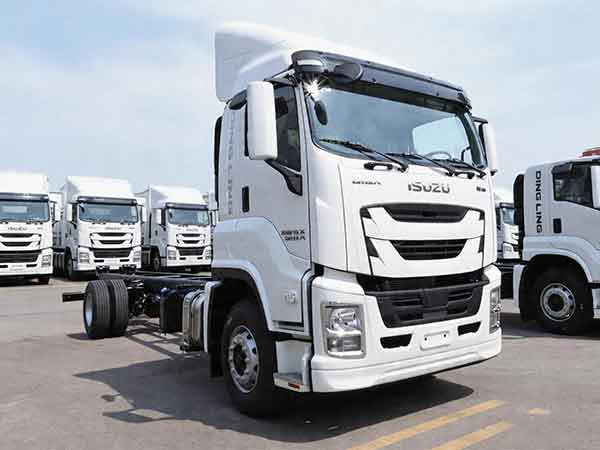
The Heavy Duty Cab Truck Chassis from ISUZU is built for demanding transport and specialized vehicle conversions where durability and load capacity matter most. Positioned for long-haul logistics, construction, and heavy-duty applications, this type of chassis combines a reinforced frame, high-torque engine options, and flexible cab configurations. It serves as a solid foundation for various upper bodies, from cargo carriers to engineering trucks, making it a practical choice for operators who prioritize reliability over complexity.
From a technical standpoint, the configuration is typically aligned with real-world working conditions rather than theoretical performance. A common setup may include a high-displacement diesel engine, multi-speed manual transmission, and heavy-duty suspension system designed to handle uneven terrain and continuous load stress. Axle configurations such as 4×2, 6×4, or even 8×4 are often available depending on application needs. Fuel tank capacity, braking systems (air brake standard), and reinforced chassis beams are all tuned to support extended operation cycles without frequent maintenance interruptions.
In terms of applicable modifications, this chassis is widely used across several industries. It works well for dump trucks, cargo box trucks, tanker trucks, and even specialized units like crane trucks or flatbed transporters. The adaptability is one of its stronger selling points—operators can match the chassis with different superstructures depending on project requirements. For construction companies, the 6×4 version is often preferred due to its balance between traction and payload. Logistics operators, on the other hand, may lean toward 4×2 for fuel efficiency on paved roads.
Looking at dimensions and structural layout, the chassis typically offers multiple wheelbase options to accommodate different body lengths. Frame length, axle spacing, and cab-to-rear distance can be adjusted at the factory level. This flexibility simplifies the upfitting process and reduces modification costs later. Ground clearance and approach angles are also engineered with jobsite accessibility in mind, especially for off-road or semi-urban operations.
Pricing tends to fall within a relatively broad range, often between USD 25,000 and USD 60,000 depending on configuration, engine type, and axle setup. The variation mainly comes from differences in horsepower, emission standards, and customization level. Export markets, local assembly policies, and shipping costs also influence the final quotation, so buyers usually receive tailored pricing rather than fixed numbers.
When compared with lighter-duty chassis, the ISUZU heavy-duty platform stands out for its structural integrity and long-term cost efficiency. It may not be the cheapest upfront option, but reduced downtime and longer service intervals often offset the initial investment. For buyers evaluating total lifecycle cost rather than just purchase price, this category tends to deliver more stable returns over time.