




As consumer needs evolve, new pickup trucks have become more than simple work vehicles. Today’s models balance power, comfort, technology, and adaptability, making them suitable for both commercial operations and personal lifestyles. Whether buyers need a truck for construction, off-road exploration, or daily commuting, the new generation of pickups offers solutions that combine durability with modern convenience. This article explores their capabilities, features, and applications—and helps you understand what makes these vehicles a top choice in multiple industries.

Unlike older models that focused primarily on towing and hauling, new pickup trucks are engineered with a broader vision. Manufacturers emphasize efficiency, safety, cabin quality, and smart technology without sacrificing the ruggedness expected from a truck.
Today’s buyers rely on pickups for:
Urban and suburban commuting
Utility work in agriculture and construction
Logistics and light cargo delivery
Outdoor adventures and travel
Emergency services and field operations
This combination of strength and comfort has significantly expanded the pickup truck market.
To meet rising expectations, new pickup trucks integrate a blend of mechanical improvements, driver-assist technologies, and enhanced functionality. Below are some common standout features.
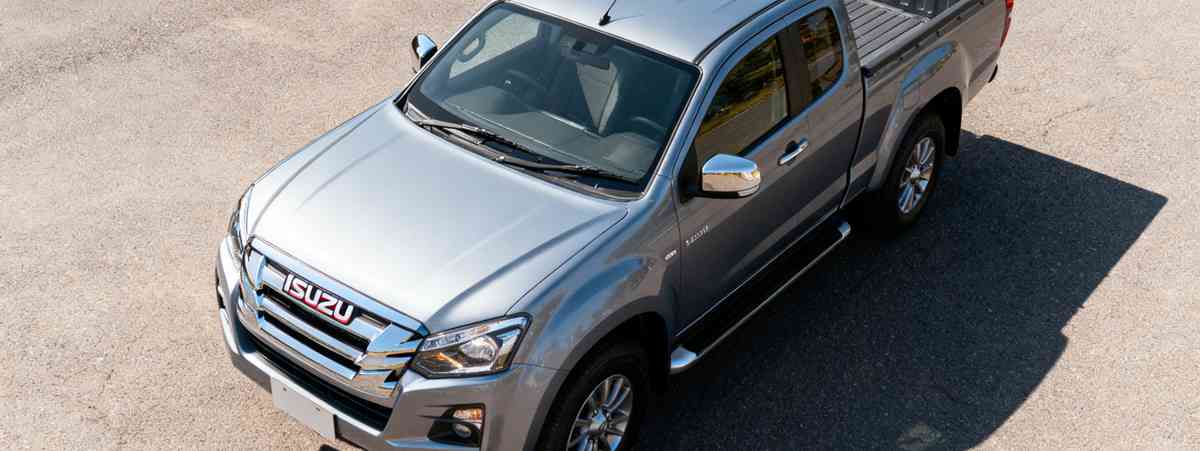
New pickup trucks serve as essential tools across industries due to their adaptability, mobility, and power. These vehicles can be found in:
Workers use pickups to tow equipment, transport materials, and move between remote sites with confidence.
Farmers rely on pickups for feed transport, fieldwork, and livestock support tasks.
As cities expand, compact yet capable pickups help companies perform last-mile deliveries and service operations.
Families and adventurers choose pickups for camping, long-distance travel, or off-road exploration.
Pickups are widely used by maintenance teams, rescue operations, and municipal field units due to their reliability.
While used trucks may offer lower upfront cost, new pickup trucks bring significant advantages that often lead to a better long-term investment.
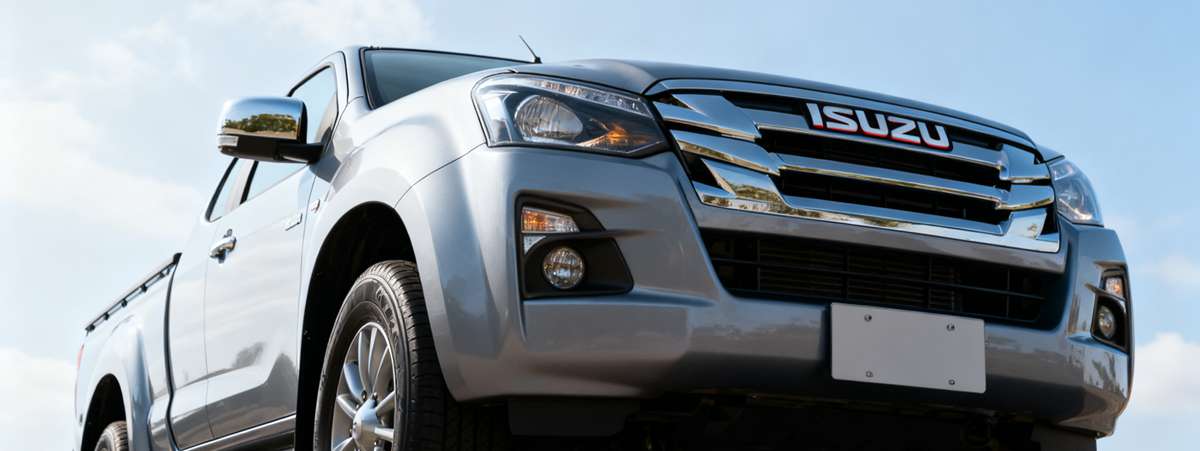
Below is a sample technical table illustrating typical specifications for new pickup trucks:
| Specification | Typical Range |
|---|---|
| Engine Output | 120 – 350 hp |
| Torque | 250 – 600 Nm |
| Payload Capacity | 800 – 1,500 kg |
| Towing Capacity | 2,000 – 3,500 kg |
| Drive Options | 2WD / 4WD |
| Cab Types | Single / Double / Crew |
| Safety Systems | ABS, stability control, emergency braking assist |
These values vary by model and configuration but provide a helpful baseline for evaluation.
The continued growth of the pickup market reflects their adaptability and the increasing expectations of both commercial and private users. Buyers value the blend of power, efficiency, and technology—elements central to today’s vehicle design philosophy. Meanwhile, industries that rely on mobility and equipment transport continue to integrate new pickup trucks into their operations due to their strong cost-to-performance ratio.
From job site performance to daily family use, new pickup trucks provide a versatile and dependable solution for modern transportation needs. Their blend of power, safety, and intelligent design makes them ideal for businesses and individuals alike. If you are considering upgrading your vehicle or expanding your fleet, exploring new pickup trucks is a smart first step toward long-term reliability and enhanced driving experience.
