




Across generations, classic fire trucks have stood as powerful symbols of courage, innovation, and community protection. These vehicles, known for their distinctive styling and mechanical simplicity, represent an era when firefighting relied heavily on robust engineering and manual skill. Today, they continue to capture attention at parades, exhibitions, museums, and restoration workshops, reflecting the evolution of emergency response technology and the deep cultural appreciation for historical machinery.
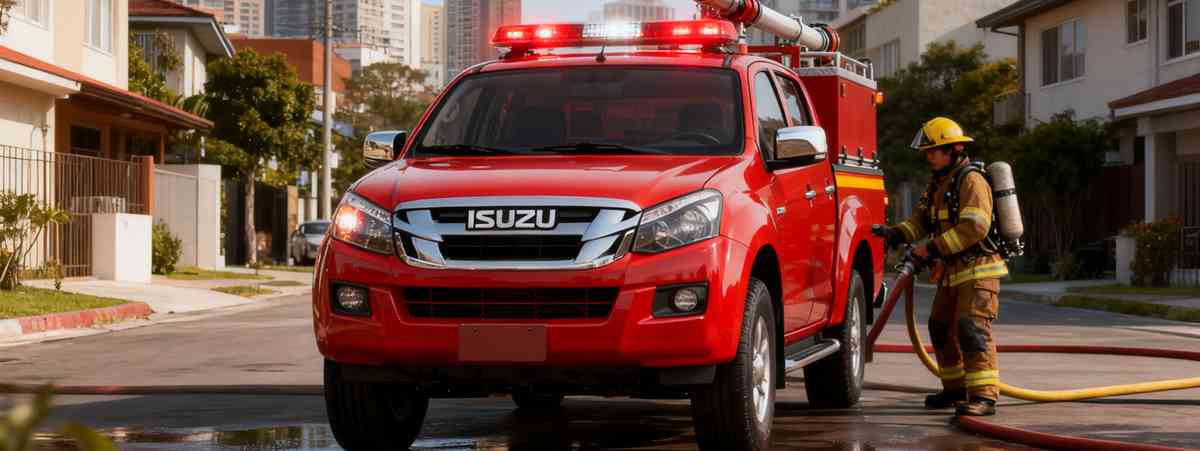
Before the rise of contemporary fire engines equipped with digital controls and automated systems, classic fire trucks were the backbone of fire departments worldwide. They combined essential fire suppression tools—water pumps, ladders, hoses—with sturdy chassis and straightforward mechanical systems that could withstand demanding operations.
What makes classic fire trucks especially valuable today includes:
Their historical contribution to firefighting development
Their mechanical purity and ease of restoration
Their visual appeal at public events
Their educational value for museums and training programs
These vehicles preserve both history and engineering craftsmanship, making them treasured collectibles.
Classic fire trucks possess unique features that set them apart from modern models. While each design varies according to era and region, several common characteristics define these iconic vehicles.
These elements help enthusiasts and collectors distinguish classic fire trucks from contemporary models that emphasize electronics and automated controls.
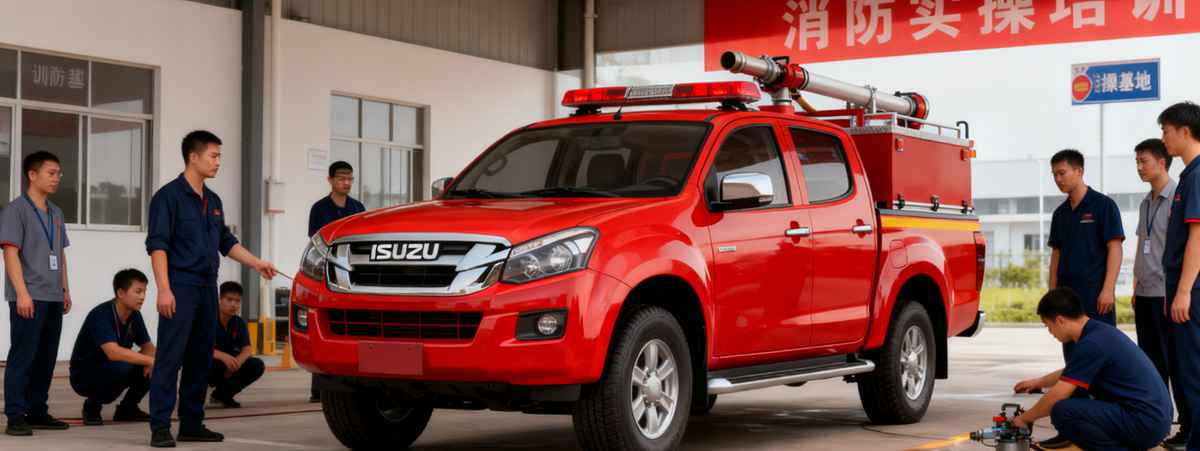
Although they no longer serve as frontline firefighting units, classic fire trucks maintain an active and meaningful role in modern communities.
Fire museums often feature restored classic fire trucks to educate visitors on early firefighting technologies and community history.
Cities and organizations use vintage trucks during festivals, community celebrations, and commemorative events.
Collectors invest in classic fire trucks for restoration projects, preservation work, and mechanical study.
Some fire academies use classic units to help trainees understand the evolution of pumping systems and equipment deployment.
Classic fire trucks are frequently rented for cinema productions, advertising campaigns, and themed photography projects.
Even though modern firefighting vehicles offer higher efficiency, classic fire trucks bring enduring benefits for communities, historians, and enthusiasts.
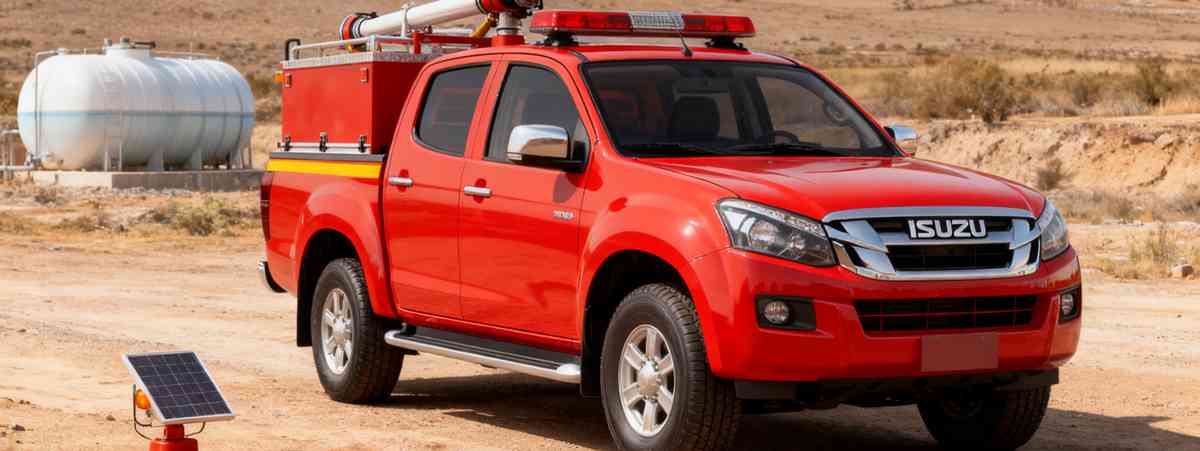
While specifications vary depending on production year, the following table highlights common parameters found in many classic fire trucks:
| Specification | Typical Range or Feature |
|---|---|
| Engine Type | Inline or V-type gasoline engines |
| Horsepower | 80 – 150 hp |
| Pump Capacity | 500 – 1,000 GPM (gallons per minute) |
| Water Tank | 400 – 800 liters |
| Cab Style | Open cab or early enclosed design |
| Warning Equipment | Rotating beacons, manual bells, mechanical sirens |
| Chassis Frame | Heavy-duty steel ladder frame |
These specifications highlight the balance between durability and simplicity that defines classic units.
The continued admiration for classic fire trucks stems partly from nostalgia and partly from their engineering significance. They stand as reminders of the bravery of earlier firefighting generations and the ingenuity of historical automotive design. Their mechanical accessibility also attracts restoration enthusiasts who appreciate hands-on craftsmanship.
In addition, the emotional connection communities feel toward these vehicles strengthens their cultural relevance. Classic fire trucks represent local history, pride, and the evolution of emergency services—values that remain essential today.
From museum displays to vintage parades, classic fire trucks continue to inspire admiration and historical curiosity. They showcase a period when engineering, craftsmanship, and dedication combined to create machines capable of saving lives. For collectors, restorers, and fire enthusiasts, these vehicles offer not only mechanical beauty but also a living link to the spirit of public service.
