




Fire pickup trucks have become one of the most important tools for firefighting teams worldwide. As urban environments expand, forests become more vulnerable, and industrial risks increase, emergency departments need vehicles that are fast, flexible, durable, and cost-efficient. This is where fire pickup trucks excel. Built on strong pickup chassis and equipped with firefighting systems, they provide rapid response capability that traditional fire engines cannot always achieve.
This article explores what fire pickup trucks are, why they are essential, and how to choose the best configuration for your firefighting needs.
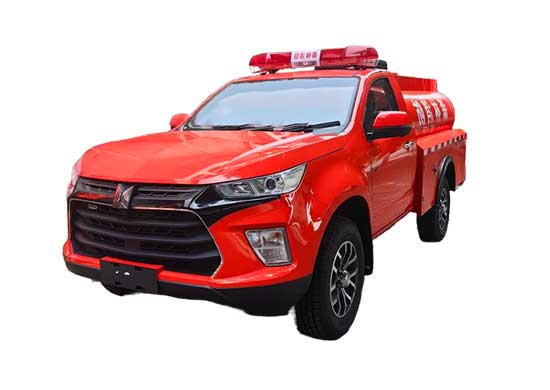
Fire pickup trucks are specially designed emergency vehicles built on robust pickup platforms. They integrate firefighting water tanks, high-pressure pumps, rescue equipment compartments, and emergency lighting, creating a compact but powerful rapid response unit.
Compared to large fire engines, fire pickup trucks are:
Smaller and more maneuverable
Faster in response time
More cost-effective to purchase and maintain
Better suited for narrow streets, rural areas, and off-road terrain
This combination makes them ideal for first response, patrol, and fire suppression in high-risk zones.
Most fire pickup trucks use powerful engines with high torque output and 4×4 drive systems. This ensures stability and traction on:
Mountain paths
Forest trails
Sandy and muddy terrain
Rural roads and mining areas
The ability to reach difficult locations quickly is a major advantage.
Fire pickup trucks can be equipped with:
Various tank capacities based on mission needs
High-pressure or low-pressure pump systems
Foam systems for chemical or fuel fires
These systems allow responders to control initial flames before they spread.
Modern fire pickup trucks include modular storage compartments for:
Hose reels
Fire extinguishers
Breathing equipment
Rescue tools
Medical kits
The efficient layout enables firefighters to access equipment quickly during emergencies.
To ensure safety during high-risk operations, fire pickup trucks commonly feature:
Reinforced structural frames
Emergency braking systems
Heat-resistant coatings
LED emergency lighting and sirens
These upgrades protect both the crew and the vehicle.
One of the strongest advantages of fire pickup trucks is customization. They can be configured for:
Fire suppression
Forest firefighting
Emergency rescue
Medical response
Patrol and inspection duties
This makes them suitable for different firefighting missions.
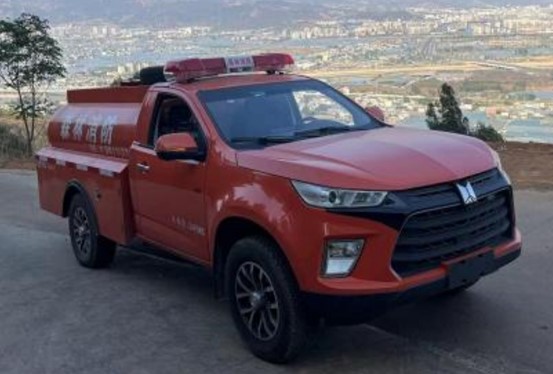
Designed for cities with narrow streets, heavy traffic, and dense populations. Their compact size ensures rapid movement between buildings and residential areas.
Equipped with off-road suspension, 4×4 drive, and heat-resistant systems, these trucks are built for long-distance travel and rugged environments.
They feature foam tanks and corrosion-resistant materials to handle hazardous industrial fires in factories, warehouses, and chemical plants.
These combine firefighting, rescue, and emergency support in one vehicle—ideal for rural towns, community fire departments, and emergency agencies.
A hybrid between EMS and firefighting, allowing teams to perform fire suppression and patient transport simultaneously.
Their speed allows immediate action during early fire stages—often preventing a small fire from turning into a major disaster.
They can access:
Narrow streets
Mountain trails
Mining sites
Farmlands
Industrial complexes
Places unreachable by traditional fire trucks.
Fire pickup trucks consume less fuel, require simpler maintenance, and are more cost-effective for small or medium-sized fire departments.
With customizable pumps, storage options, foam systems, and rescue tools, the same truck model can serve multiple missions.
They perform well in:
Urban communities
Rural villages
Forest fire zones
Industrial parks
Airports and ports
This makes them one of the most versatile emergency vehicles available.
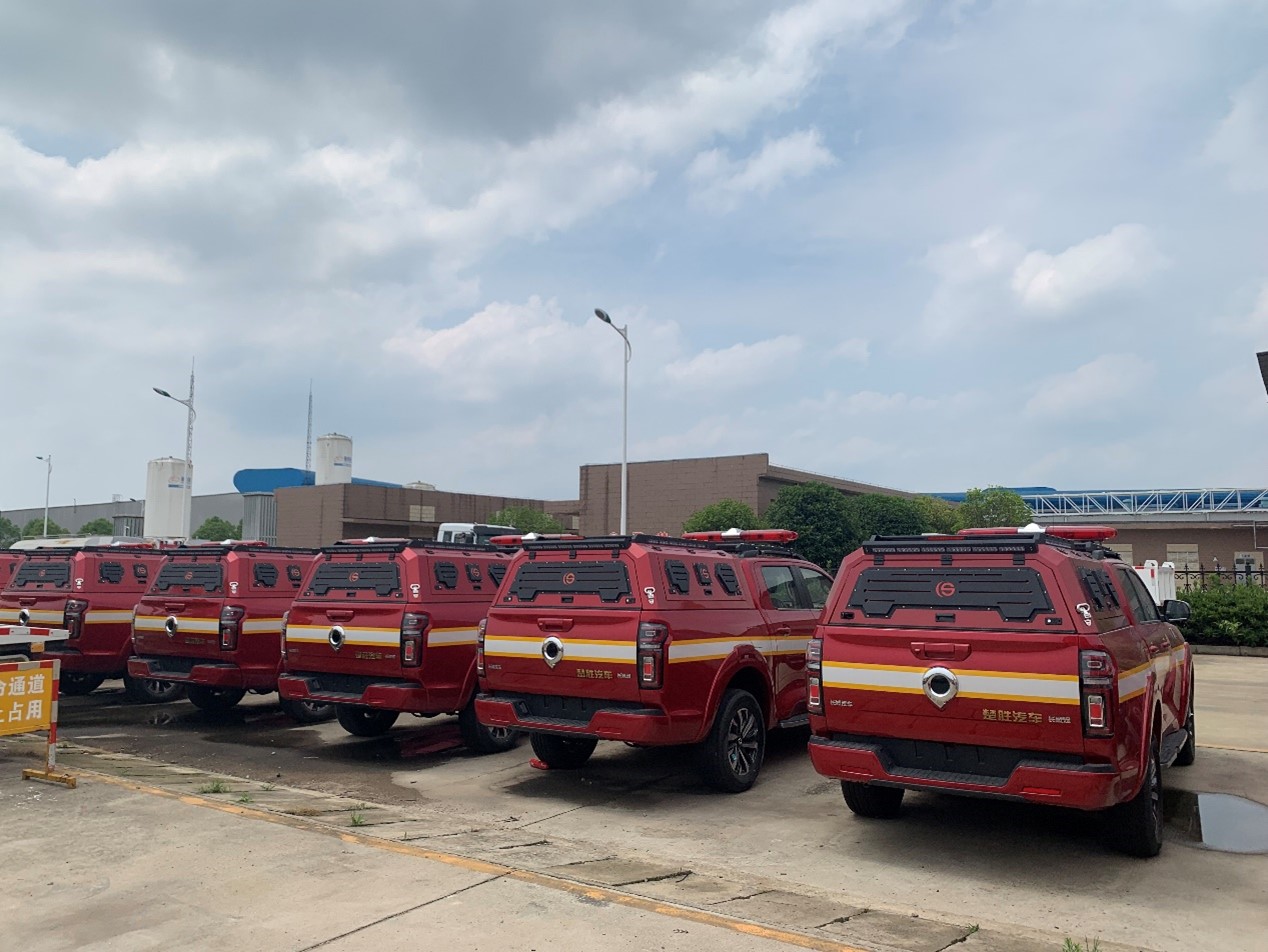
Many villages lack large fire engines. Fire pickup trucks provide quick access and reliable suppression power.
Their off-road design and long-range endurance make them valuable assets in wildfire prevention and control.
Factories, refineries, and chemical plants require foam systems and rapid-response units that fire pickup trucks can provide.
They are ideal for patrol, hotspot inspection, perimeter security, and fast incident control.
Used for multi-disaster management, community response, and civil protection tasks.
Terrain, weather conditions, and road access determine whether you need:
4×2
4×4
Heavy-duty suspension
Special off-road upgrades
Consider:
Water tank capacity
Pump pressure
Foam tank requirements
Type of fires you typically encounter
Ensure enough space for:
Hoses
Tools
Rescue equipment
Medical supplies
A well-organized storage layout improves efficiency.
Reliable spare parts, easy maintenance, and solid manufacturer support ensure long-term operation.
Aluminum alloy and composite materials reduce fuel consumption while improving durability.
Integration of GPS, dispatch systems, and digital monitoring allows real-time coordination during fire operations.
Eco-friendly solutions with lower noise, perfect for urban firefighting.
Future fire pickup trucks will become fully modular, enabling departments to switch between missions faster.
Fire pickup trucks represent the future of firefighting—fast, flexible, and highly efficient. They are essential tools for emergency departments that need rapid response capability across cities, rural areas, forests, and industrial zones. By choosing the right configuration, departments can dramatically improve their firefighting efficiency, lower costs, and enhance public safety.
