




A fire heavy rescue truck is one of the most critical units in modern emergency response operations. Built to handle complex rescue scenarios, these specialized vehicles support firefighting teams during structural collapses, high-impact traffic accidents, industrial emergencies, and natural disasters. Unlike traditional fire engines, a fire heavy rescue truck carries advanced technical equipment such as hydraulic cutters, stabilization tools, lifting devices, medical gear, and specialized lighting systems. Its mission is not only to assist with fire suppression but also to enable fast, coordinated, and technically precise rescue actions in dangerous environments.
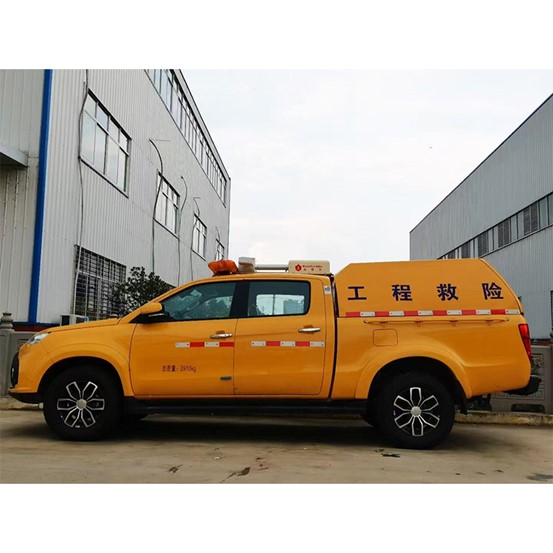
A fire heavy rescue truck plays a vital role across multiple emergency scenarios. In dense urban areas, it responds to building collapses, elevator rescues, and high-rise emergencies where precision tools are required. Along highways, the truck supports extrication from severely damaged vehicles, handling multi-car accidents and rollover incidents. Industrial zones rely on heavy rescue units for entrapments in machinery, chemical facility emergencies, and confined-space rescue tasks. Rural communities depend on these trucks for flood response, storm rescue, and recovery efforts in remote terrains. Their versatility ensures that fire departments and rescue teams can adapt quickly to diverse challenges.

One of the key advantages of a fire heavy rescue truck is its ability to consolidate a wide range of technical capabilities into a single vehicle. Instead of dispatching multiple units, emergency teams can rely on one truck that carries tools for stabilization, cutting, lifting, illumination, and communication. This reduces response times and improves rescue efficiency.
Another major benefit is operational safety. The tools and systems onboard—such as thermal imaging devices, air monitoring sensors, and high-strength stabilization struts—help firefighters assess dangerous areas before entering. Precision equipment allows rescuers to remove debris or extricate victims without causing further harm.
The adaptability of the truck also stands out. Many modern units feature modular designs, enabling departments to configure the interior layout based on regional needs—whether focusing on industrial rescue, water emergencies, or urban search and rescue. Additionally, powerful onboard generators ensure the truck functions as a mobile command center during prolonged operations.
The use of advanced materials and engineering enhances durability. High-strength steel frames, corrosion-resistant compartments, and weatherproof electrical systems help maintain performance even in harsh climates. This reliability supports continuous, long-term service for public safety agencies.
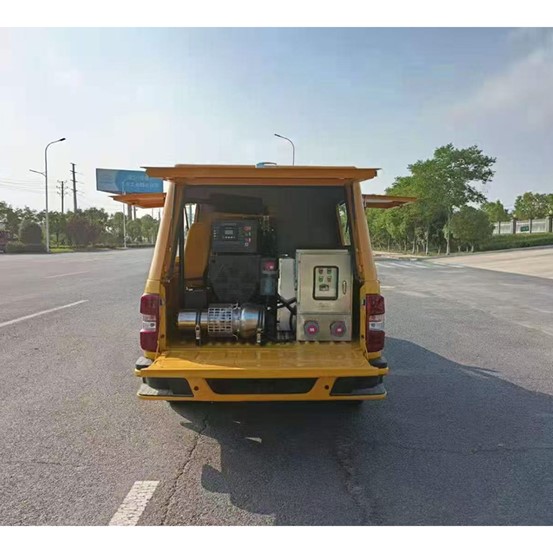
| Category | Specification |
|---|---|
| Vehicle Length | 7.5–10 meters depending on configuration |
| Equipment Storage Capacity | Multi-level side compartments + rear rescue module |
| Hydraulic System | Supports cutters, spreaders, rams, and rescue tools |
| Power Generation | 8–20 kW onboard generator with external output ports |
| Lighting System | LED telescopic light tower + perimeter emergency lighting |
| Rescue Equipment | Air lifting bags, thermal camera, stabilization struts, chains |
| Cab Structure | Fire-resistant materials with ergonomic workstation |
A fire heavy rescue truck is an indispensable resource for emergency response teams that face complex, high-risk scenarios. Its combination of technical tools, structural durability, and operational versatility enables emergency crews to protect lives and stabilize dangerous environments with confidence. If you are exploring equipment options, evaluating fleet upgrades, or planning a new rescue unit configuration, feel free to reach out for expert support, detailed specifications, or customized solutions tailored to your organization’s mission.
