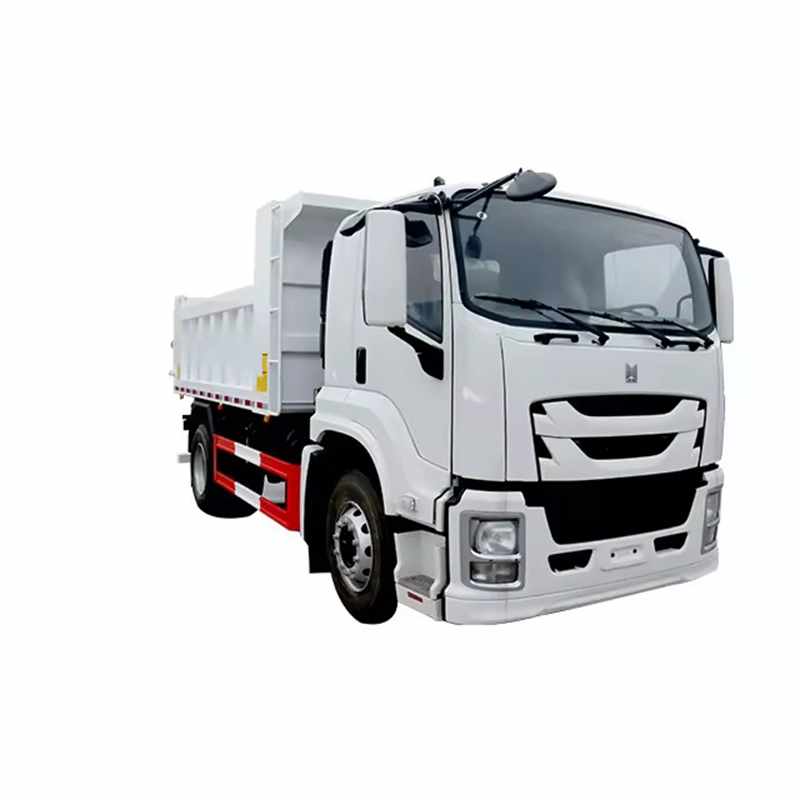


The axle truck is a foundational workhorse in commercial transportation, defined by its axle design that directly dictates load capacity, maneuverability, and application versatility. Serving industries from urban logistics to heavy-duty construction and oversized cargo hauling, these trucks range from compact 2-axle models to robust multi-axle rigs, each engineered to balance weight distribution, power delivery, and road compliance. Their adaptability makes them indispensable for businesses seeking reliable, task-specific transportation solutions—whether moving parcels through city streets or hauling heavy machinery across construction sites.
At the core of every axle truck’s performance is its axle configuration, with each setup optimized for distinct use cases. Light-duty 2-axle trucks, featuring one front steering axle and one rear drive axle, excel in urban and short-haul logistics. Their compact wheelbase and tight turning radius allow easy navigation through crowded roads, while their moderate load capacity (typically 3–10 tons) and fuel efficiency make them cost-effective for delivery services and small-scale hauling. Medium-duty 3-axle trucks, often with a tandem rear axle design, boost load-bearing capability to 10–20 tons, balancing maneuverability with the ability to transport construction materials, agricultural goods, or medium-sized equipment—ideal for regional routes and job site logistics.
Heavy-duty multi-axle trucks (4 axles or more) are built for extreme loads and challenging conditions. These rigs feature additional axles to distribute weight evenly, complying with road regulations while hauling 20–100+ tons of cargo, such as oversized machinery, mining ore, or precast concrete structures. Many models include liftable axles that engage only when carrying heavy loads, improving fuel efficiency during empty hauls, and reinforced axles with high-torque drive systems to navigate rough terrain or steep inclines. Specialized configurations, like 6×4 or 8×8 drive axles, enhance traction for off-road applications, making them vital for construction, mining, and infrastructure projects in remote areas.
Beyond load capacity, modern axle trucks integrate advanced features to enhance safety and efficiency. Anti-lock braking systems (ABS) and electronic stability control (ESC) improve handling under heavy loads, while ergonomic cabs reduce driver fatigue during long hauls. Many models also feature fuel-efficient engines and emissions-compliant systems, aligning with sustainability goals. For businesses, selecting the right axle truck means matching the configuration to their specific needs—whether prioritizing maneuverability for urban delivery, load capacity for heavy hauling, or off-road capability for job sites. With their diverse designs and proven reliability, axle trucks remain the backbone of commercial transportation, driving productivity across industries worldwide.