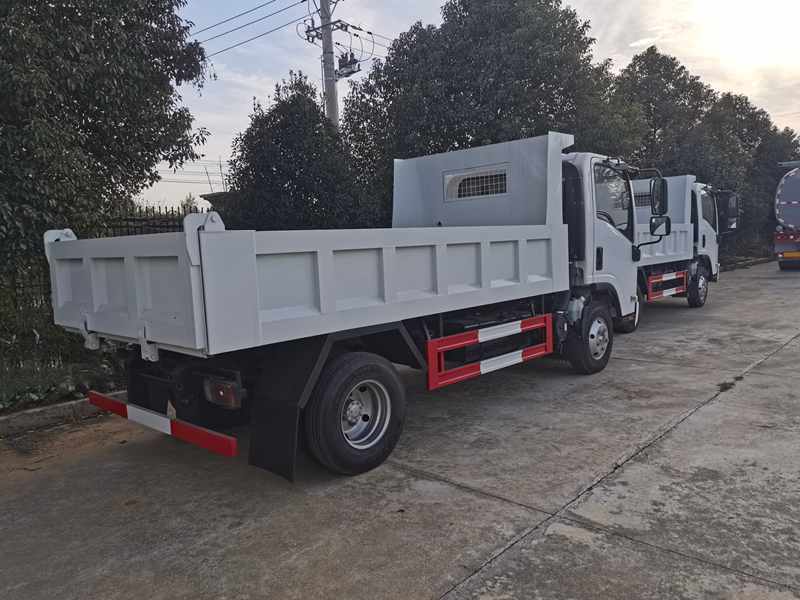


Autonomous mine trucks have emerged as a game-changing technology in the mining industry, redefining how ore, overburden, and materials are transported across harsh, remote job sites. These driverless heavy-duty vehicles leverage advanced sensors, AI-driven navigation, and real-time data integration to operate independently, eliminating human error and enhancing safety while boosting productivity. Designed to thrive in challenging mining environments—from open-pit mines to underground tunnels—they offer a reliable, efficient alternative to traditional manned trucks, addressing labor shortages and reducing operational risks.
At the core of autonomous mine trucks is a sophisticated suite of technology: LiDAR, radar, and high-resolution cameras enable 360-degree environmental perception, while GPS and mapping software guide precise navigation along pre-defined routes. AI algorithms process data in real time to avoid obstacles, adjust speed for terrain changes, and optimize haul cycles—ensuring consistent performance even in low-visibility conditions or rough terrain. Equipped with powerful diesel or electric powertrains, these trucks handle load capacities ranging from 50 to 300 tons, with reinforced chassis and dump bodies built to withstand abrasive materials and constant use.
Safety and efficiency are the primary benefits of autonomous mine trucks. By removing human operators from high-risk environments, they eliminate accidents related to fatigue, distraction, or harsh working conditions. Continuous operation—24 hours a day, 7 days a week—maximizes productivity, as the trucks require only maintenance downtime. Fleet management systems allow operators to monitor and control multiple vehicles from a central command center, optimizing routes, tracking payloads, and identifying maintenance needs proactively. This level of oversight reduces operational costs, minimizes fuel consumption, and streamlines mining workflows.
For mining companies, autonomous mine trucks represent a strategic investment in the future of resource extraction. They adapt to diverse mining scenarios, from large-scale open-pit operations to narrow underground tunnels, and integrate seamlessly with existing mining infrastructure. As technology advances, these trucks continue to evolve, with improvements in battery life (for electric models), AI decision-making, and connectivity—further enhancing their performance and sustainability. By combining cutting-edge autonomy with rugged heavy-duty design, they deliver a competitive edge, driving efficiency, safety, and profitability in an industry where every operational gain matters.