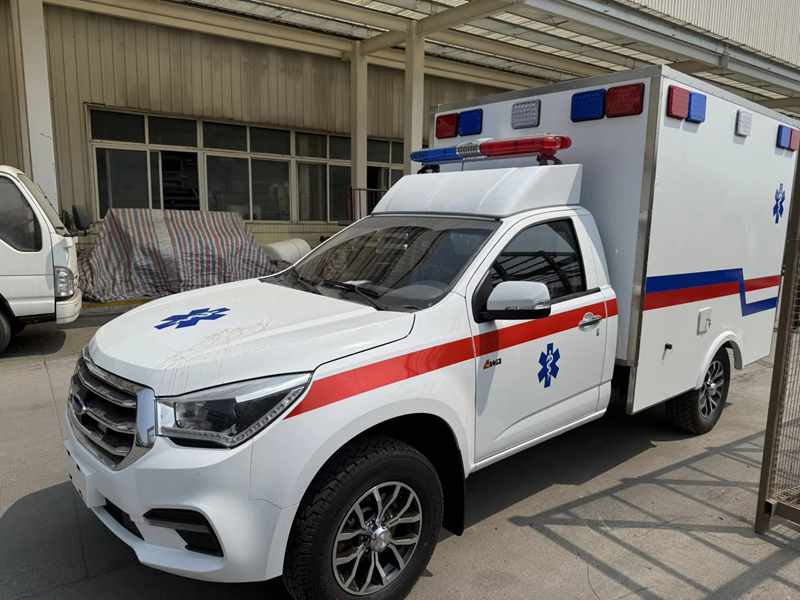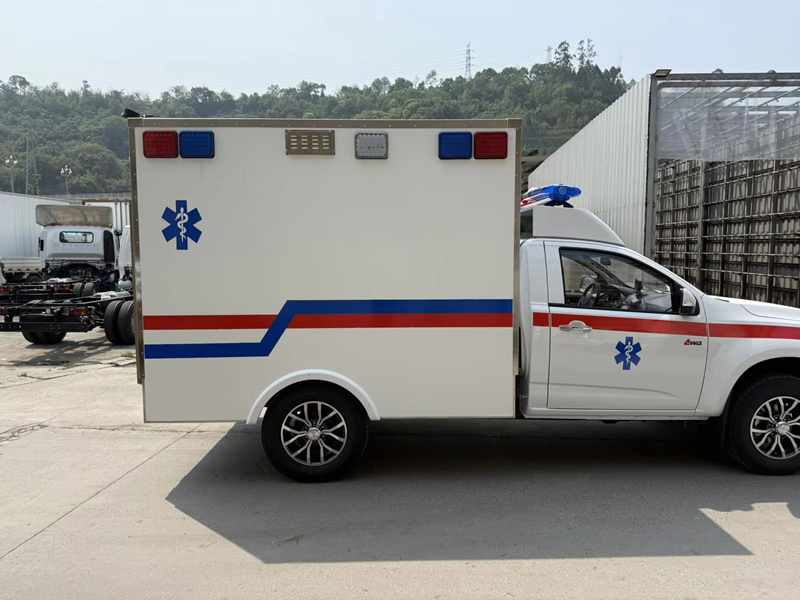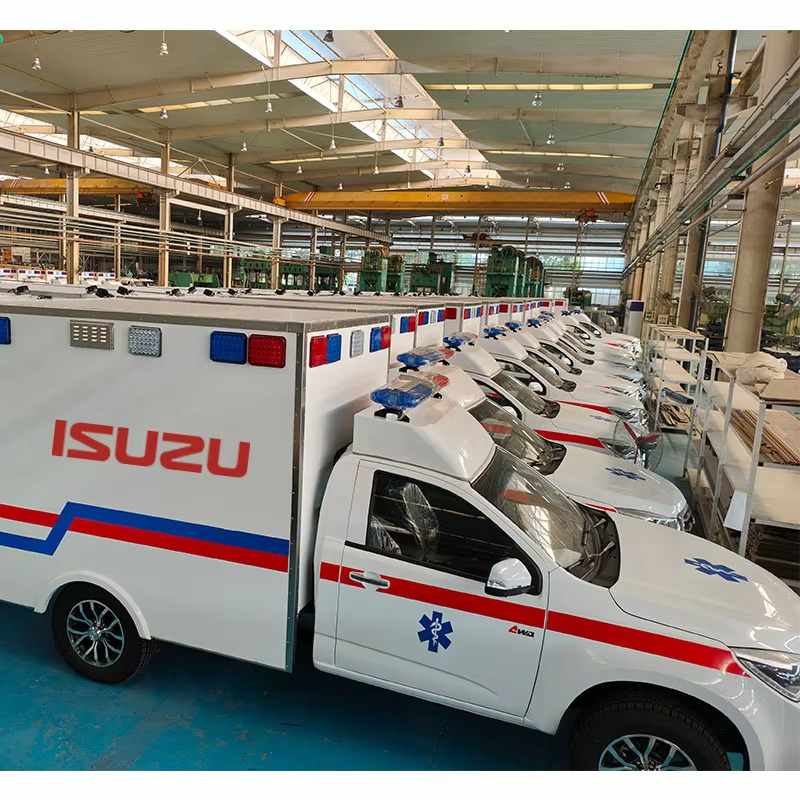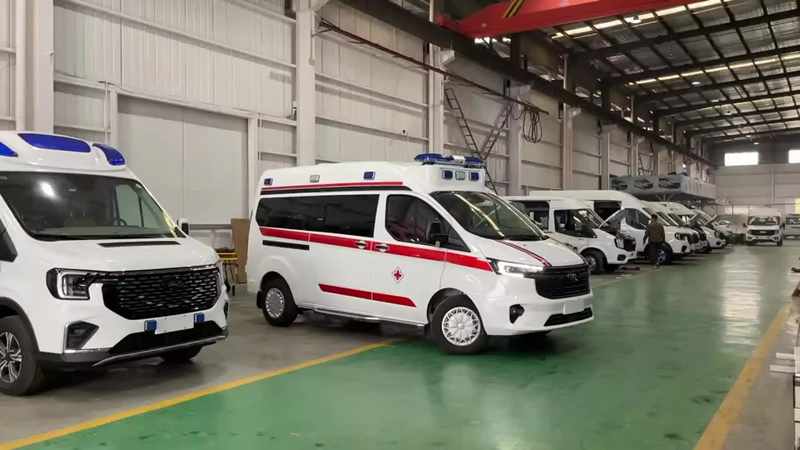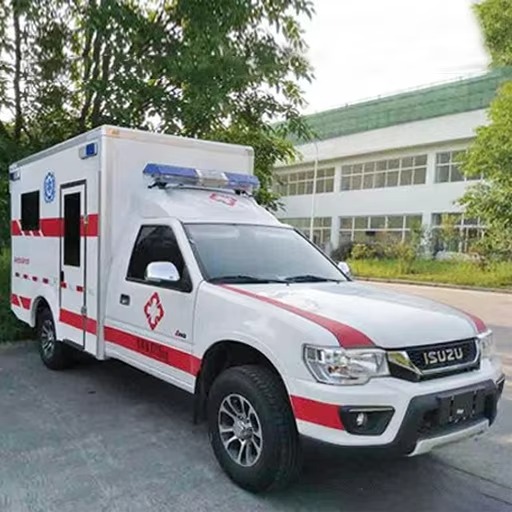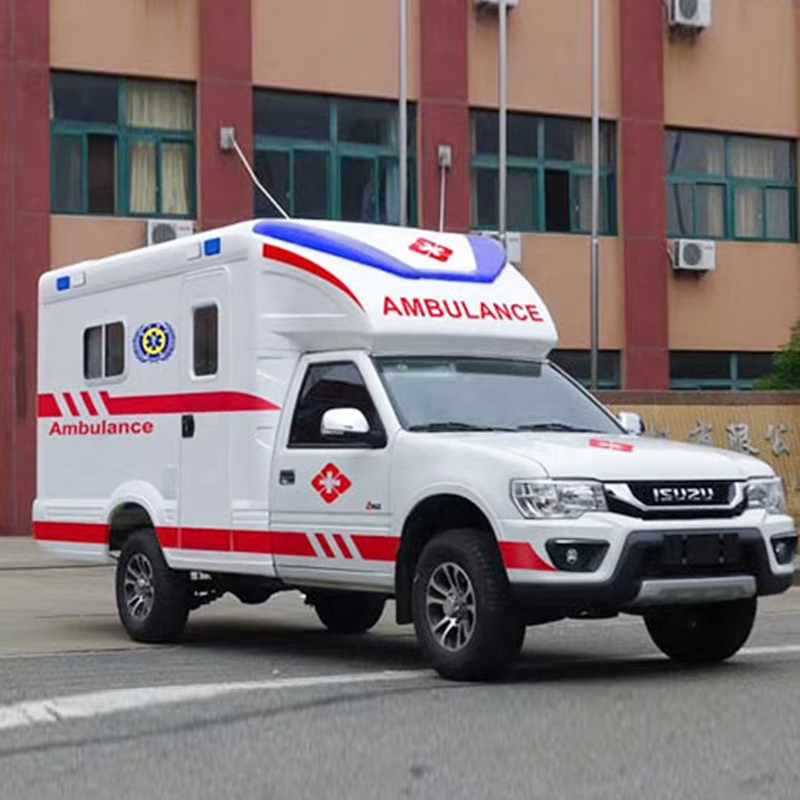


Ambulances stand as critical emergency medical vehicles, designed to transport patients safely while delivering on-site care—from accident scenes to hospitals. Engineered for speed, reliability, and medical functionality, these vehicles are tailored to global emergency service needs, making them high-demand exports for markets across Africa, Asia, and Latin America. With configurable designs, compliance with international medical standards, and robust chassis (e.g., Isuzu, Toyota, Mercedes-Benz), ambulances combine life-saving technology with rugged performance to adapt to diverse terrains and healthcare infrastructures.
Core configurations of export-focused ambulances prioritize medical utility and operational durability. The cabin is divided into driver/patient care zones: the latter features essential medical equipment—oxygen supply systems, defibrillators, stretchers (manual or hydraulic), and emergency drug storage—all secured to withstand high-speed travel or rough roads. Advanced models integrate ventilators, ECG monitors, and temperature-controlled compartments for medications, meeting ISO 13485 medical device standards and regional regulations (e.g., EU MDR, FDA). Chassis selection is critical for export: Isuzu N-Series (4×2) and Toyota HiAce are popular for their fuel efficiency and global parts availability, while heavy-duty Mercedes-Benz Sprinter variants suit long-distance or off-road emergency response in remote areas.
Key features enhance safety and adaptability for global markets. All models include emergency lighting (LED beacons, strobes), sirens with multi-tone settings, and reflective striping for visibility in low-light conditions. Terrain-specific upgrades—4×4 drive, reinforced suspension, and high-ground clearance—cater to countries with unpaved roads, ensuring access to rural communities. For export customization, manufacturers offer left/right-hand drive options, language-specific control panels, and climate-adapted components (e.g., air conditioning for tropical regions, heating systems for high altitudes). Compliance with UN R10 (electromagnetic compatibility) and UN R110 (vehicle safety) ensures seamless market entry in most countries.
Ambulances for export serve diverse use cases: basic life support (BLS) models for urban emergency services, advanced life support (ALS) variants for critical care, and specialized units (e.g., neonatal ambulances, disaster response vehicles) for targeted healthcare needs. Brands like Braun, Ferno, and local Chinese manufacturers (e.g., Foton, Dongfeng) offer scalable pricing, from budget-friendly BLS models ($30,000–$50,000) to fully equipped ALS ambulances ($80,000–$150,000). Global service networks and readily available spare parts further strengthen their export appeal, ensuring long-term reliability for international clients.
For commercial vehicle exporters, ambulances represent a high-value, socially impactful product. Their universal demand across healthcare systems—from small clinics to national emergency services—ensures steady market potential. By combining medical expertise with durable, export-ready design, ambulances deliver not just mobility, but life-saving capabilities that transcend borders, making them an indispensable asset for global emergency medical services.