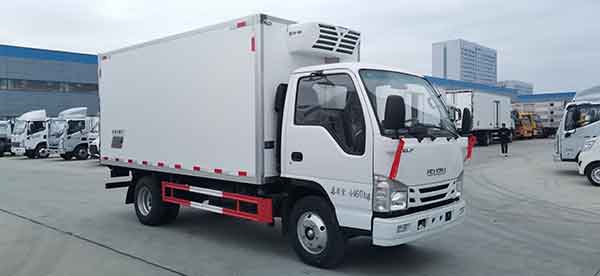


A 26ft truck has become a popular choice for businesses that need a reliable balance of cargo capacity and maneuverability. Its mid-size profile offers enough space to handle sizable loads while still navigating city streets, warehouse yards, and delivery sites without unnecessary difficulty. For many operators, this combination makes the 26ft truck a practical solution for both scheduled routes and ad-hoc transport jobs.
One of the key strengths of a 26ft truck lies in its adaptability across different industries. Moving companies appreciate the room it provides for furniture, appliances, and boxed personal items, while logistics teams rely on the same space for palletized goods, retail inventory transfers, or regional distribution tasks. Its box dimensions support efficient loading patterns, helping crews maximize usable volume while keeping items secure and well-organized during transit.
Drivers often highlight the comfortable handling characteristics of a 26ft truck. Its turning radius and visibility offer reassurance when working in tighter delivery zones, and the truck’s size makes it suitable for operators transitioning from smaller vehicles. The spacious cargo area also allows businesses to consolidate shipments, improving route efficiency and reducing the number of trips required to complete a day’s work.
From a fleet management perspective, the 26ft truck contributes to operational stability. It fits neatly between smaller vans and larger commercial vehicles, making it an ideal middle-tier option for companies expanding their transport capabilities. Its workload capacity helps support seasonal surges without pushing drivers toward oversized equipment that may be harder to deploy on routine routes. This balance of practicality and performance often leads to lower overall operating costs and more predictable scheduling.
In everyday commercial environments, the 26ft truck continues to demonstrate its value as a dependable, versatile, and user-friendly transport asset—one that adapts easily to changing job requirements while maintaining consistent performance on the road.