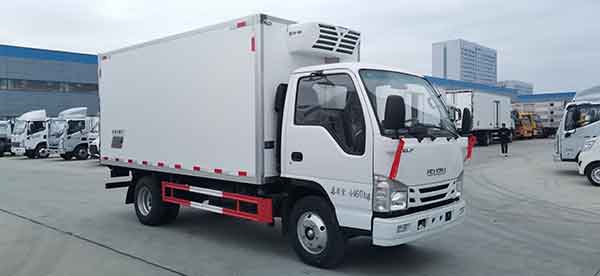


The 26ft vehicle has become a cornerstone of practical transport, offering a sweet spot between cargo capacity and maneuverability that suits both commercial and personal needs. Whether configured as a box truck, reefer, or utility vehicle, its 26ft length translates to roughly 1,600 to 2,000 cubic feet of interior space—enough to carry household belongings, retail inventory, construction materials, or temperature-sensitive goods without the bulk of larger semi-trucks. This size shines in urban settings, where navigating narrow streets and tight parking spots is a must, while still handling highway drives with stability and efficiency.
What makes 26ft vehicles stand out is their accessibility and adaptability. Most can be operated with a standard driver’s license in many regions, eliminating the need for specialized training or certifications. They’re easily customizable too—many come with optional features like liftgates for heavy loads, tie-down rails for securing cargo, or insulated compartments for perishables. For small businesses, this means a vehicle that can grow with their needs, transitioning from local deliveries to longer hauls without sacrificing performance. For individuals, it’s the ideal choice for moves, home renovations, or transporting large items that won’t fit in a standard truck or van.
Beyond functionality, 26ft vehicles balance performance and cost-effectiveness. Modern models often feature fuel-efficient engines that reduce operational expenses, while their sturdy build ensures durability even with regular use. Whether you’re a contractor needing to haul tools and materials to job sites, a small business owner expanding delivery services, or someone planning a cross-country move, the 26ft vehicle delivers reliability without compromise. It’s a versatile workhorse that proves big capacity doesn’t have to come with big hassle—making it a top choice for anyone seeking practical, efficient transport.