




When buyers search for the most comfortable pickup truck, they are often looking for a vehicle that goes beyond utilitarian hauling and off-road capability. Comfort in a pickup truck enhances long-distance travel, daily commuting, and time spent on the job, especially for drivers and passengers who spend many hours behind the wheel. The most comfortable pickup truck blends interior design, ride quality, noise reduction, and ergonomic features into a cohesive driving experience that feels more refined than a traditional work-oriented truck.
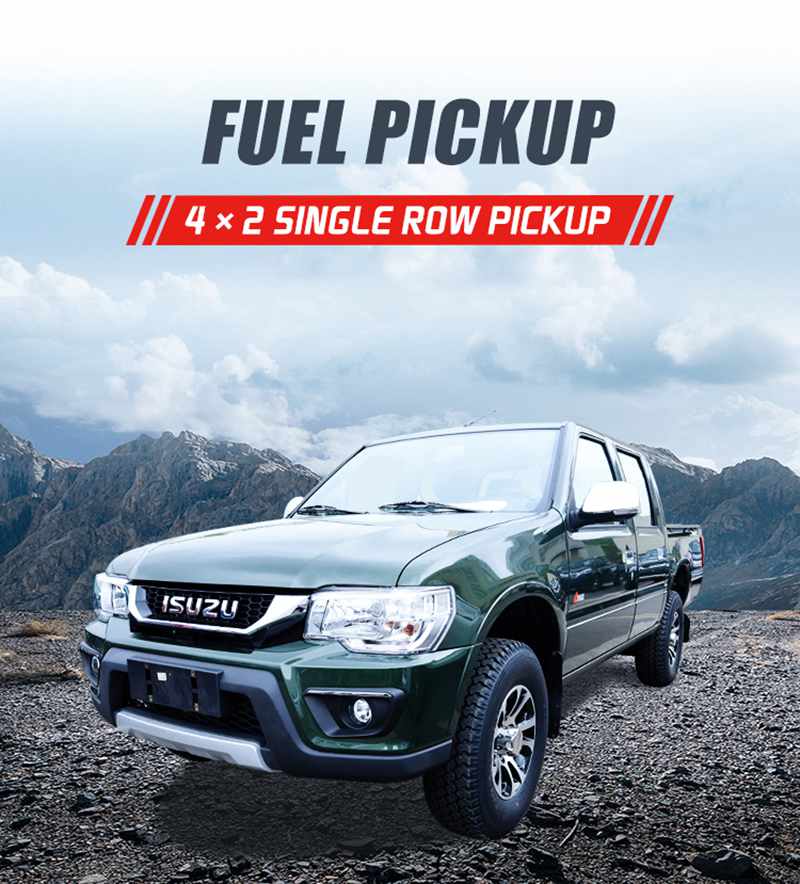
Comfort in a pickup truck is not defined by a single element but by how well multiple components work together to support the occupants. The following aspects contribute significantly to making a truck feel like the most comfortable pickup truck for diverse users:
A key factor that separates a comfortable pickup from standard models is the way the vehicle handles uneven roads, potholes, and highway travel. The most comfortable pickup truck typically features a suspension system tuned to absorb bumps while maintaining stability. Whether driving on gravel, pavement, or light off-road terrain, the ride quality should minimize jolts and vibrations that contribute to fatigue over time. Enhanced shock absorbers, adaptive suspension components, and chassis engineering all play important roles in achieving this balance.
For many drivers, comfort also comes from how predictable and composed the truck feels in corners and at highway speeds. A well-engineered suspension system paired with responsive steering reduces driver strain on long drives and contributes to a more relaxed overall experience.
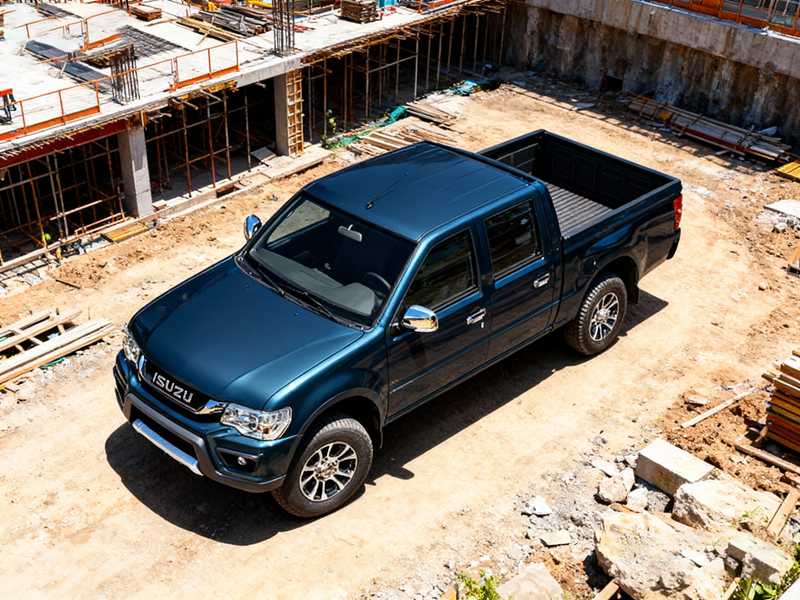
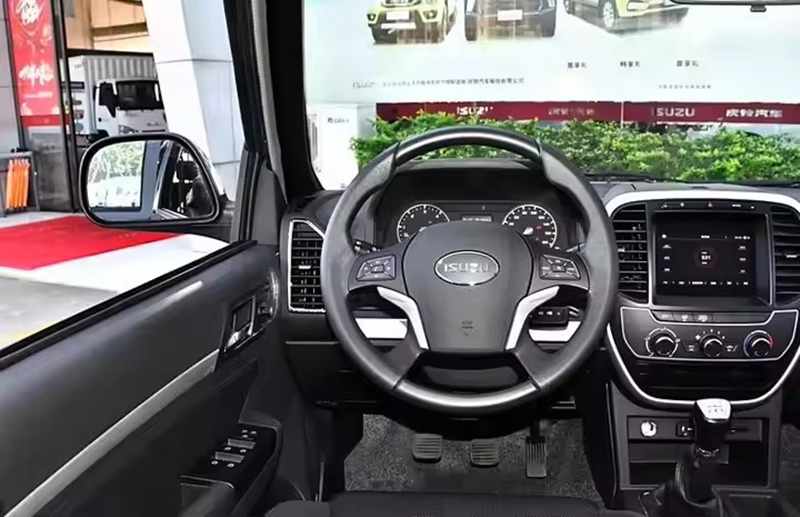
In the search for the most comfortable pickup truck, technology has become as important as physical components. Modern pickups may include comfort-oriented tech that enhances convenience and reduces stress for both drivers and passengers. Examples of these features include:
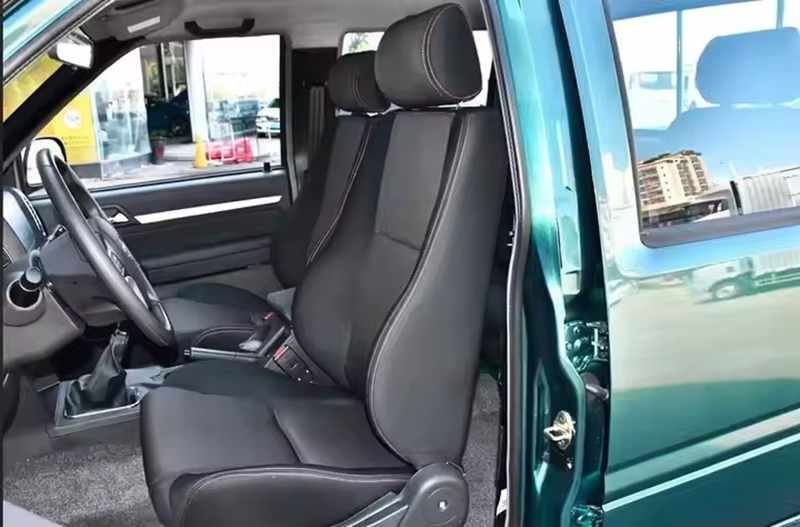
A comfortable pickup truck doesn’t just excel in the driver’s seat — passenger space is equally important. Crew-cab configurations that cater to passengers typically offer generous legroom, adjustable headrests, and thoughtful storage options. Rear seat comfort matters for families and work crews alike, especially on long trips where cramped spaces can quickly sap energy.
Ergonomics also extend to everyday use, such as bench versus bucket seating layouts, how easily passengers can enter and exit the cabin, and whether storage compartments are intuitively placed. The most comfortable pickup truck understands the needs of all occupants rather than just the driver.
Comfort needs can vary depending on how a pickup truck is used. For example:
Understanding the primary use case helps identify the features that truly make a model the most comfortable pickup truck for specific drivers or industries.
To determine comfort objectively, a test drive should focus on the following areas:
Taking time during a test drive to evaluate these factors helps buyers decide which pickup truly offers the level of comfort they need.
Finding the most comfortable pickup truck involves assessing seating quality, ride dynamics, technology, and ergonomics to create an enjoyable driving environment. Whether for daily use, long road trips, or demanding work conditions, prioritizing comfort can make every journey more pleasant and less tiring. Prospective buyers should sit in multiple configurations, compare feature sets, and consider long-term usability to determine the best match for their lifestyle or professional needs.
