




Firefighting vehicles play a decisive role in protecting lives, property, and critical infrastructure during emergencies. Designed to operate under extreme conditions, these vehicles integrate advanced firefighting equipment, mobility solutions, and safety systems into a single, highly specialized platform. From urban fire response to industrial incidents and remote-area emergencies, firefighting vehicles are built to deliver rapid intervention, reliable water supply, and operational efficiency when every second counts.
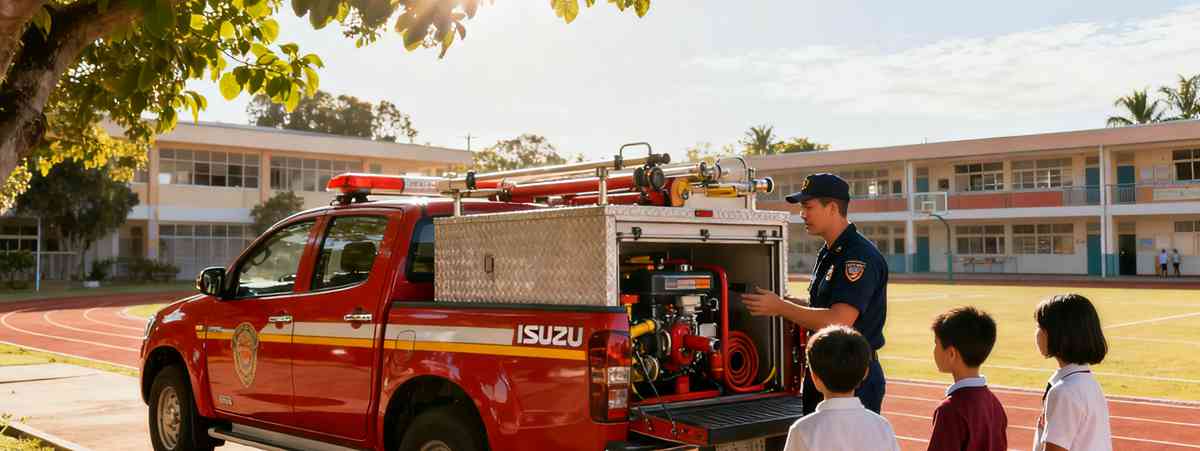
Unlike standard utility or transport trucks, firefighting vehicles are purpose-built for emergency scenarios. They function as mobile command units, water carriers, rescue platforms, and suppression systems all at once. Modern fire departments and industrial safety teams rely on these vehicles not only for extinguishing fires but also for technical rescue, hazardous material response, and disaster relief operations.
Although configurations vary depending on mission requirements, most firefighting vehicles share several critical design elements:
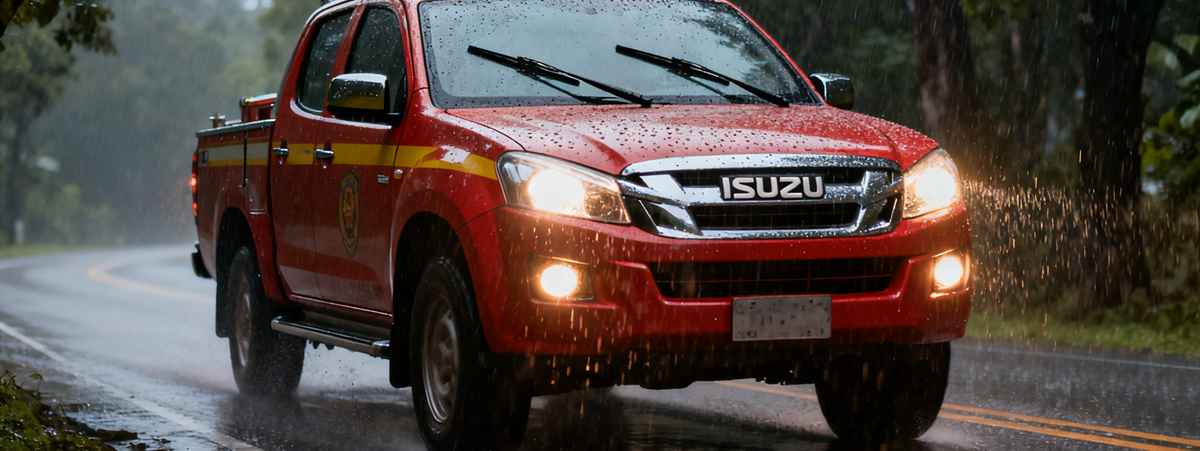
The demand for firefighting vehicles extends well beyond municipal fire departments. Their adaptability allows them to serve a broad range of environments and industries:
One of the greatest advantages of dedicated firefighting vehicles is operational reliability. These vehicles are engineered to function continuously under heat, smoke, and high-pressure conditions. Their integrated systems reduce response time by eliminating the need for external equipment setup. Additionally, ergonomic cab layouts and intuitive control panels allow crews to focus on decision-making rather than equipment handling.
Another key benefit is adaptability. Modular body designs enable firefighting vehicles to be customized for specific missions, whether that involves water transport, foam suppression, rescue operations, or combined-response tasks. Over time, this flexibility helps organizations optimize fleet usage and respond effectively to evolving safety requirements.
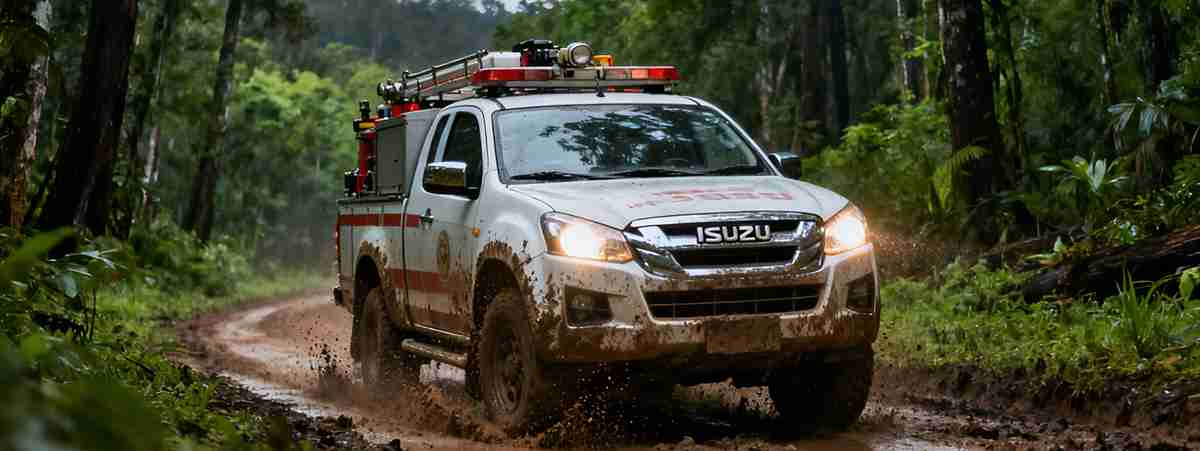
The following table outlines typical technical parameters commonly associated with firefighting vehicles. Specifications vary depending on application, terrain, and operational standards.
| Specification | Typical Range |
|---|---|
| Water Tank Capacity | 2,000–12,000 liters |
| Fire Pump Output | 1,500–6,000 L/min |
| Operating Pressure | 8–16 bar |
| Drive Configuration | 4×2 / 4×4 / 6×6 |
| Crew Capacity | 2–6 personnel |
| Max Operating Speed | 90–110 km/h |
As safety standards rise and emergency scenarios become more complex, the importance of reliable firefighting vehicles continues to grow. These vehicles represent a critical investment in emergency preparedness, combining speed, durability, and specialized functionality into a single platform. Selecting the right firefighting vehicle can significantly enhance response effectiveness and operational safety across a wide range of environments.
If you are planning to expand or upgrade your emergency response fleet, professional consultation can help identify the most suitable firefighting vehicle configurations for your specific operational needs.
