




A fire fighting vehicle is a highly specialized apparatus engineered to support rapid fire suppression, rescue operations, and emergency response efforts. Unlike general transport trucks, these vehicles combine engineered tanks, pumps, ladders, and safety systems to deliver water, foam, and other fire-extinguishing agents where they are needed most. From urban fire scenes to industrial emergencies, fire fighting vehicles serve as critical assets in protecting lives, property, and infrastructure.
At its core, a fire fighting vehicle is designed to mobilize resources and personnel with maximum efficiency and safety. These vehicles are equipped not only to transport firefighting crews but also to carry an integrated set of systems that support suppression, rescue, ventilation, and incident management. Features like high-capacity pumps, hose reels, and emergency lighting differentiate them from standard utility transport equipment.
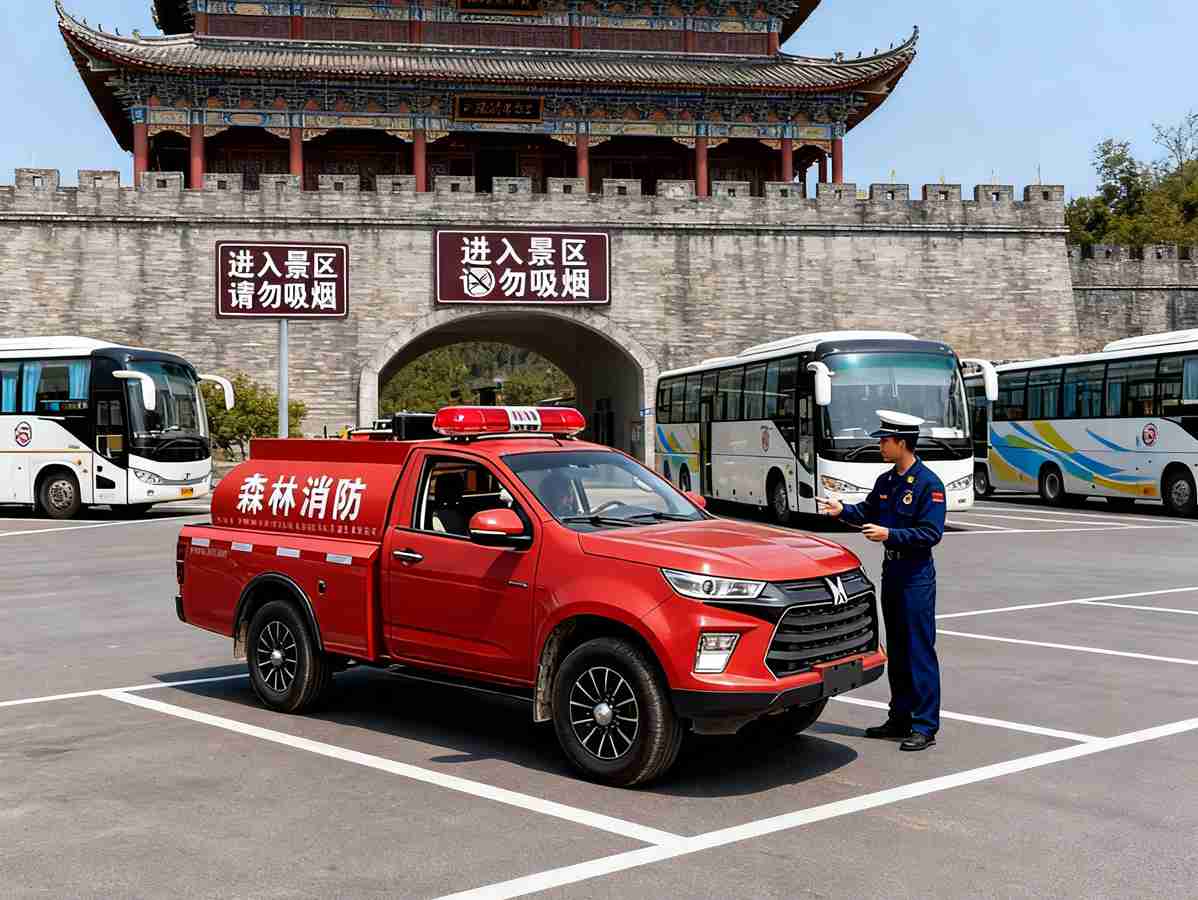
While specific configurations vary based on intended use and regulatory standards, most fire fighting vehicles share a core set of capabilities:
Fire fighting vehicles are deployed in a wide variety of environments, each presenting unique firefighting and rescue challenges. Some of the key application areas include:
Investing in a fire fighting vehicle delivers significant operational and safety advantages compared with general-purpose emergency transport. These vehicles are purpose-built with redundancy, durability, and rapid deployment in mind. Reinforced frames and corrosion-resistant bodywork support consistent performance even in severe conditions. Larger suppression capacities reduce dependency on external water sources, accelerating response times and reducing escalation risk.
Moreover, the integration of communication systems, ergonomic tool access, and rapid-deployment mechanisms helps crews manage incidents more effectively. Fire fighting vehicles also facilitate coordinated multi-team workflows through dedicated storage, lighting systems, and power supplies that support both suppression and rescue tasks.
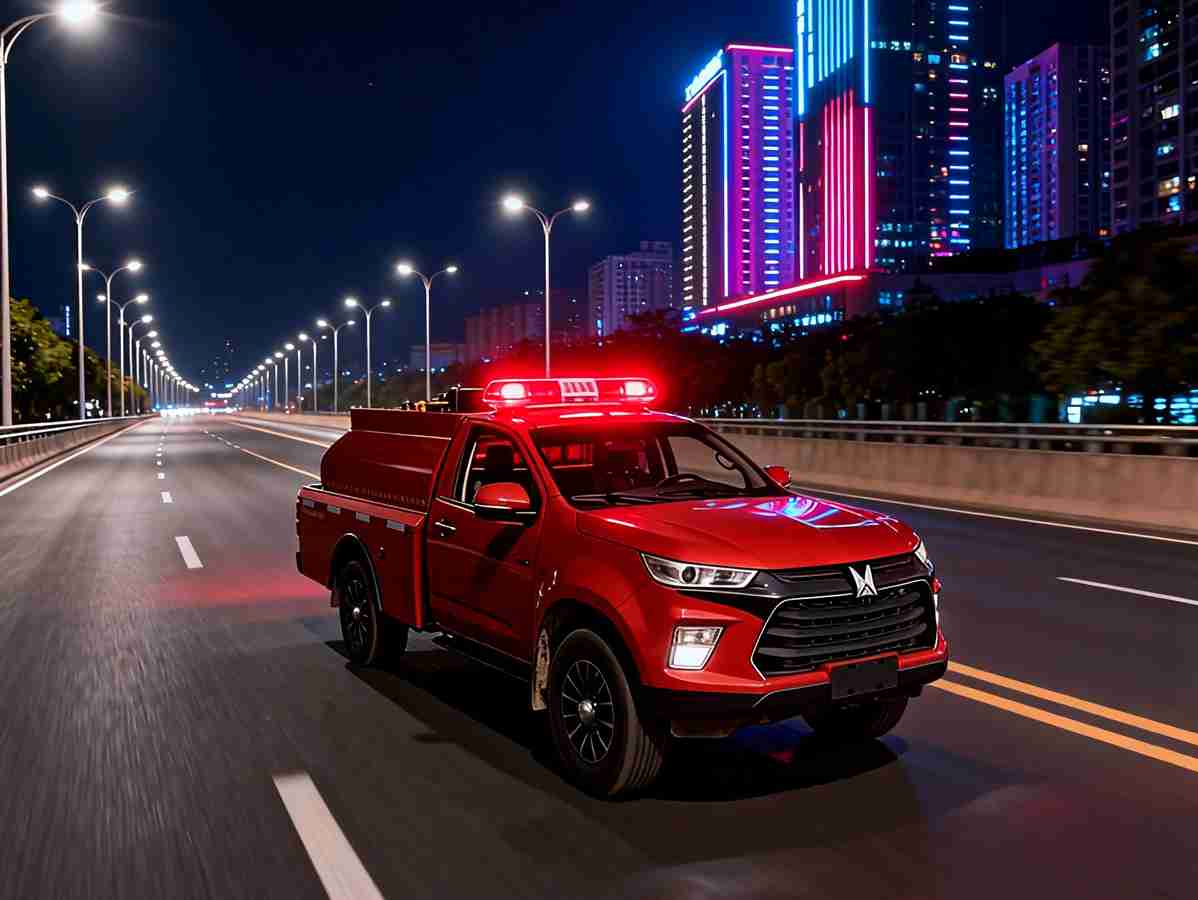
Selecting an appropriate fire fighting vehicle requires a clear understanding of operational needs, terrain conditions, and local safety regulations. Factors that influence choice include the anticipated fire load, roadway access, water availability at incident sites, and crew size. Departments serving urban zones may prioritize compact maneuverability and rapid acceleration, while industrial or wildland units may focus on larger tanks and robust off-road capability.
A fire fighting vehicle remains one of the most crucial components of modern emergency services. By delivering integrated suppression systems, safe transport, and rapid response functionality, these vehicles enhance both fire control outcomes and crew safety. Whether deployed in city centers, industrial facilities, or remote wildland regions, fire fighting vehicles provide the mobility and capability needed to face diverse emergency challenges with confidence.
If you are evaluating fire fighting vehicle options for your organization or need expert guidance on matching specifications to operational goals, professional consultation can help align performance, safety standards, and long-term reliability.
