




When disaster strikes — fire, collapse, chemical leaks, traffic accidents — seconds matter. An emergency fire truck serves as a mobile command post, rescue vehicle, and firefighting unit all in one. Equipped with powerful pumps, water tanks, rescue gear, medical tools, and advanced communication systems, these trucks are designed to respond quickly and effectively to a wide range of emergencies. Their presence is often the difference between disaster escalation and successful intervention.
Emergency fire trucks aren’t just for extinguishing flames. Today’s models are multi-purpose response vehicles capable of firefighting, technical rescue, medical aid, hazardous-material containment, and coordination in complex scenes. As modern urban environments become more dense and unpredictable, these vehicles remain essential components of public safety infrastructure.
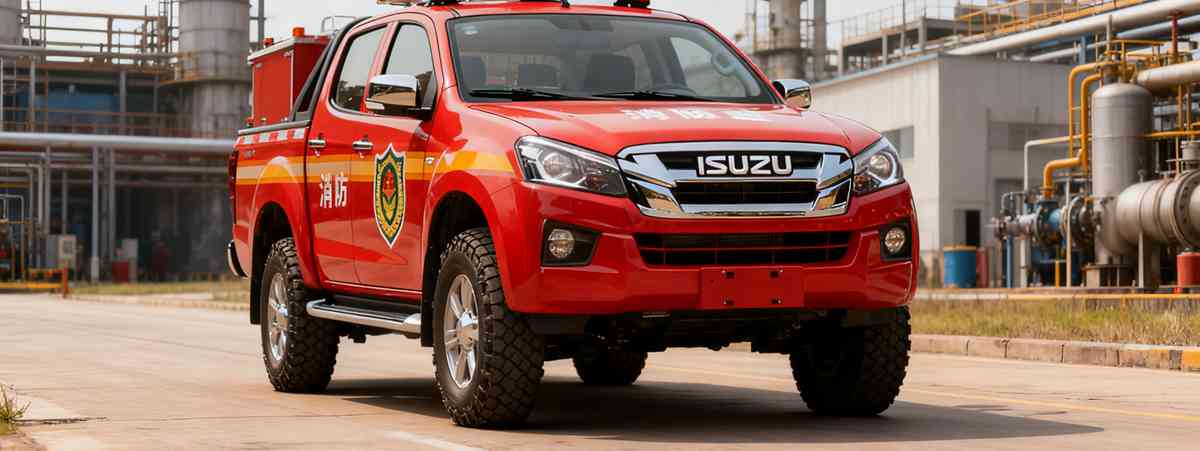
*Structural fires and building fires: Providing water supply, hose deployment, aerial reach, and rescue operations for occupants.
*Traffic accidents and vehicle extrication: Using hydraulic rescue tools to free trapped individuals after collisions.
*Hazardous-material incidents or chemical spills: Carrying specialized suppression agents (foam or dry chemicals) and protective equipment to handle dangerous fires or spills.
*High-angle rescues or situations requiring access to elevated areas: Using ladders or aerial devices to reach rooftops, windows, or upper floors.
*Medical emergencies and first response: Offering first-aid, oxygen, and basic life support until paramedics or hospital transfer is available.
Whether in dense urban settings or remote rural areas, an emergency fire truck brings critical capabilities that standard vehicles cannot match.
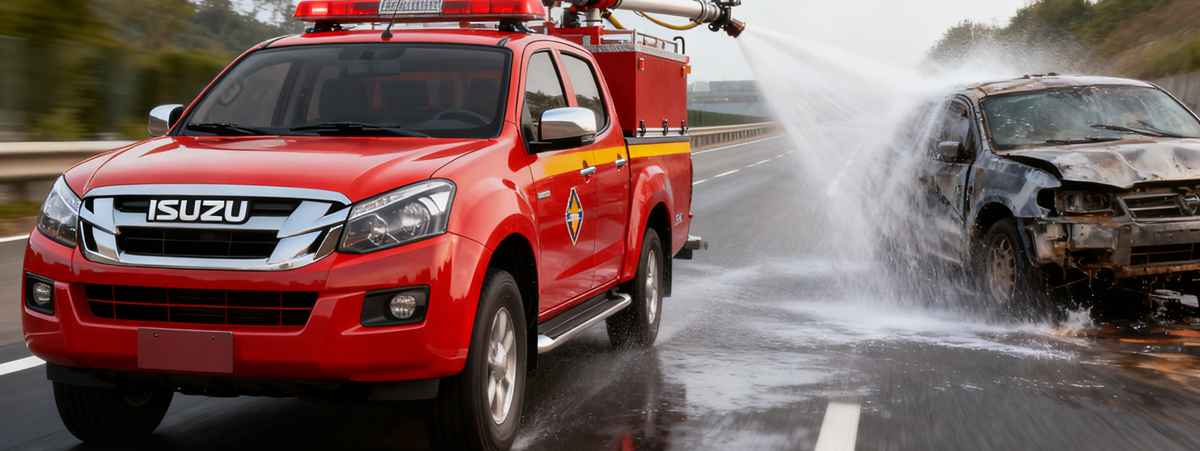
*Rapid, multi-functional response: Instead of waiting for multiple specialized units, a single fire truck arrives equipped to handle fire suppression, rescue, and medical support all at once.
*Integrated resources: Water, power, rescue tools, and medical supplies are on board — enabling immediate action.
*Flexibility across emergencies: From building fires to road accidents, hazardous materials to rescues — one vehicle adapts to many situations.
*Improved safety and coordination: With built-in communications and standardized equipment storage, crews can operate efficiently and safely under pressure.
*Accessibility for remote or underserved areas: Having water tanks and self-contained systems allows response even where hydrants or infrastructure are lacking.
Because of these advantages, emergency fire trucks represent a reliable backbone for fire departments and rescue squads, helping communities stay prepared for a wide array of dangers.
| Specification | Typical Range / Feature |
|---|---|
| Water Tank Capacity | 500–1,500 gallons (varies by type) |
| Pump Output | 500–2,000+ GPM (gallons per minute) |
| Equipment Compartments | Multiple lockable bays for hoses, tools, protective gear |
| Rescue Equipment | Hydraulic cutters/spreaders, stabilization gear, ladders, rope systems |
| Medical Gear | Oxygen supply, first-aid kit, optional AED/defibrillator |
| Communication Systems | Radios, GPS navigation, dispatch integration |
| Chassis & Build | Heavy-duty chassis, reinforced frame, often 4WD for varied terrain |
These specifications represent standard configurations for many emergency fire trucks, though custom builds or specialized apparatuses may offer different capacities and tools based on departmental needs.
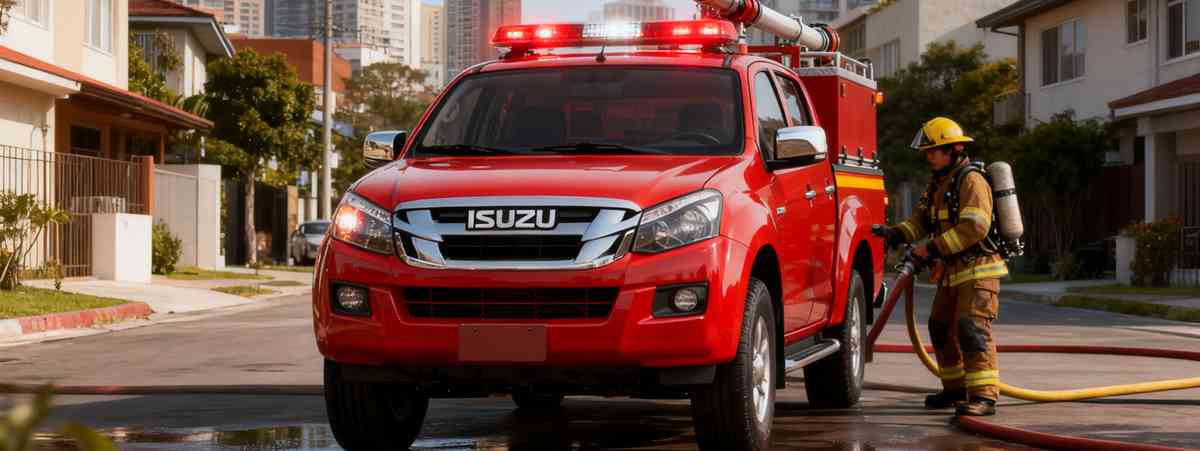
An emergency fire truck is far more than a fire-fighting vehicle — it’s a comprehensive emergency response platform capable of tackling fires, rescue operations, medical emergencies, and hazardous incidents. For fire departments, municipalities, or private rescue teams aiming to expand their operational readiness, investing in a well-equipped fire truck ensures faster response, greater versatility, and improved safety for both responders and the public.
If you’re considering acquiring or upgrading a fire truck — or evaluating configurations for your department’s needs — I can help you draft specification comparisons, configuration plans, or content to support decision-making. Feel free to reach out for guidance.
